

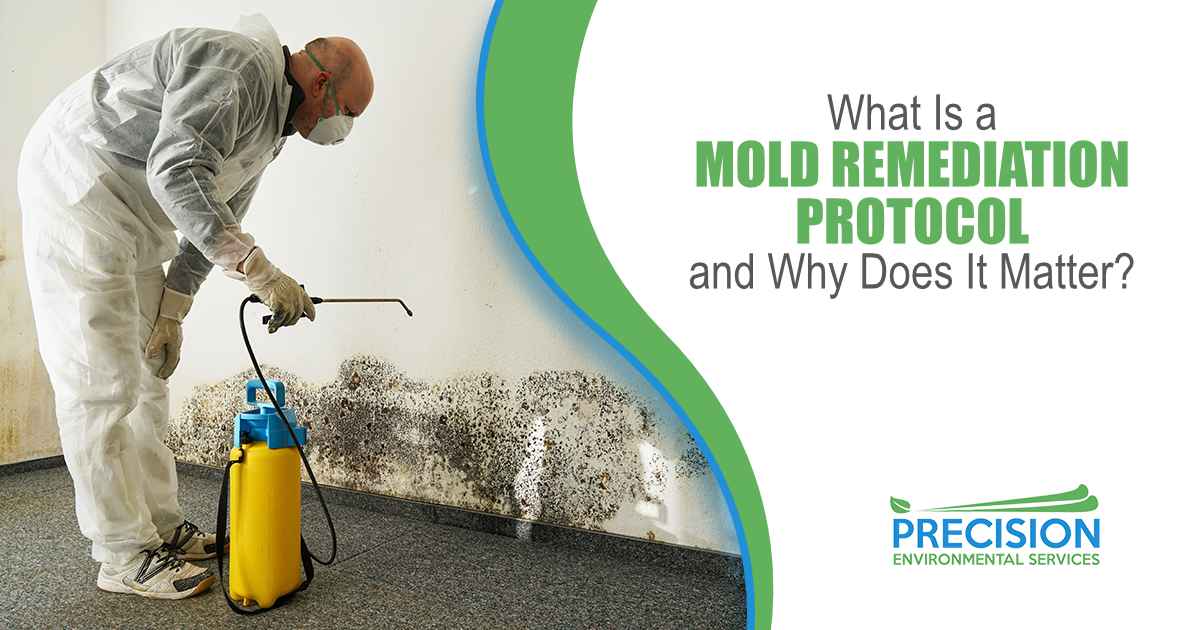
Mold contamination can affect residential, commercial, and institutional properties after water intrusion or prolonged moisture exposure. While many property owners focus on removing visible mold, successful remediation begins long before cleanup starts. In Texas, a mold remediation protocol that Texas property owners may require for regulated projects serves as the foundation for a safe, compliant, and organized remediation process.
A mold remediation protocol is much more than a contractor’s work plan or project estimate. It is a written document prepared by a licensed Mold Assessment Consultant (MAC) that outlines how remediation should be performed while protecting occupants, workers, and the property. Understanding why this document matters helps property owners make informed decisions before remediation begins.
What Is a Mold Remediation Protocol in Texas?
A mold remediation protocol is a detailed written document that provides instructions for addressing mold contamination in accordance with applicable Texas regulations. Rather than allowing remediation decisions during the project, the protocol establishes a clear mold remediation plan before any removal work begins. This structured approach helps ensure remediation activities follow documented procedures from start to finish.
For projects that fall under applicable state requirements, the protocol must be prepared by a licensed Mold Assessment Consultant before remediation begins. The consultant evaluates the property’s condition, identifies affected materials, and develops recommendations based on inspection findings rather than contractor preferences. This independent assessment creates a reliable roadmap that supports both regulatory compliance and effective remediation.
Unlike a contractor proposal, a remediation protocol does not focus on pricing, scheduling, or project costs. Instead, it documents the technical requirements necessary to complete remediation safely and consistently. A qualified TDLR mold consultant develops the protocol to define exactly what work should occur before contractors begin remediation.
Why Does Texas Require a Mold Remediation Protocol?
Texas regulations emphasize planning because mold contamination can spread quickly when disturbed without proper controls. A documented remediation protocol helps ensure remediation activities are performed in a manner that minimizes unnecessary exposure and promotes consistent project outcomes. By requiring planning before remediation begins, the process becomes more organized and accountable.
Protects Occupants From Further Exposure
Mold spores can become airborne during demolition, cleaning, or material removal if containment measures are not established first. A remediation protocol specifies procedures that help reduce the spread of contamination into unaffected portions of the property. These preventive measures support healthier indoor environments for occupants, employees, and remediation personnel.
Careful planning also identifies areas that require isolation before work begins. Proper containment methods, air filtration equipment, and work sequencing reduce opportunities for mold spores to migrate throughout the building. This proactive approach protects both the immediate work area and surrounding spaces.
Establishes a Clear Scope of Work
One of the most valuable components of a remediation protocol is its documented mold removal scope of work. The protocol identifies affected materials, outlines cleaning procedures, specifies containment methods, and describes how remediation should proceed. Clear documentation minimizes misunderstandings between property owners, consultants, and remediation contractors.
Without a defined scope of work, project expectations may vary between parties involved in the remediation process. A written protocol establishes objective requirements before work begins rather than relying on assumptions or changing decisions during the project. This clarity benefits everyone involved by creating consistent expectations from the outset.
Supports Compliance With Texas Regulations
Applicable Texas regulations establish standards intended to promote safe mold remediation practices. A written protocol documents the procedures that should be followed throughout the project while supporting accountability and proper recordkeeping. These documented requirements help remediation professionals perform work according to established mold remediation standards that Texas property owners should understand.
Documentation also provides a reference throughout the remediation project. Rather than relying solely on verbal instructions, contractors and consultants can refer to the protocol when questions arise about containment, cleaning procedures, or project completion requirements. This consistency helps improve communication and supports successful project outcomes.
Can Mold Remediation Begin Without a Written Protocol?
Some property owners assume remediation can begin immediately after mold is discovered, but regulated projects require planning before work starts. The remediation protocol establishes the procedures, containment requirements, and project expectations that guide the contractor throughout the remediation process. Beginning work without appropriate planning may increase the risk of inconsistent remediation practices and unnecessary contamination.
The protocol also creates an objective framework for evaluating project completion. Instead of making decisions during remediation, everyone involved works from the same documented plan developed through an independent assessment. This structured process helps ensure remediation activities remain focused, organized, and consistent from beginning to end.
What Does a Mold Remediation Protocol Include?
Every mold remediation protocol is developed for the specific property and conditions identified during the assessment. Although the details vary from one project to another, the document generally follows a consistent framework designed to support safe remediation practices and regulatory compliance. This customized approach ensures the protocol addresses the property’s unique challenges rather than relying on a generic template.
A comprehensive protocol may include:
- Property information and project identification
- Mold assessment findings
- Areas requiring remediation
- Mold containment plan
- Engineering controls
- Personal protective equipment (PPE) requirements
- Removal procedures
- Cleaning methods
- Waste handling and disposal procedures
- HVAC system protection measures
- Moisture source correction recommendations
- Clearance criteria
- Post-remediation verification requirements
Together, these elements provide clear guidance before remediation begins. By documenting each phase of the project, the protocol helps reduce uncertainty while establishing measurable expectations for everyone involved. It also serves as a reference throughout the remediation process to help maintain consistency from start to finish.
Who Creates the Mold Remediation Protocol?
Texas separates mold assessment from mold remediation to promote objectivity throughout the process. Rather than allowing the same party to both determine and perform the work, the assessment and remediation responsibilities are assigned to different licensed professionals. This separation helps property owners receive recommendations based on documented findings rather than construction decisions.
Licensed Mold Assessment Consultant
A licensed mold assessment consultant is responsible for evaluating the extent of mold contamination and determining the appropriate remediation strategy. After inspecting the property, the consultant prepares the written remediation protocol that outlines the work necessary to address the identified conditions. This independent role helps ensure remediation recommendations are based on professional assessment rather than contractor preference.
In addition to preparing the protocol, the consultant may perform post-remediation verification when required to confirm that remediation objectives have been achieved. A qualified TDLR mold consultant follows applicable state requirements while documenting the technical information necessary for successful project planning. Their involvement creates an objective foundation for the entire remediation process.
Licensed Mold Remediation Contractor
Once the protocol has been completed, the licensed mold remediation contractor performs the work described in the document. The contractor follows the prescribed procedures, establishes containment, removes affected materials when necessary, and completes cleaning activities according to the written plan. Their responsibility is to execute the remediation—not determine the scope of work.
Working from a documented protocol helps the contractor perform remediation consistently while maintaining accountability throughout the project. Property owners also benefit because expectations have already been established before work begins. Choosing a provider experienced in licensed mold remediation Texas projects helps support proper execution of the consultant’s recommendations.
How a Mold Remediation Protocol Protects Property Owners
A written remediation protocol provides property owners with greater confidence by documenting exactly how remediation should proceed. Instead of relying on verbal explanations or assumptions, the protocol establishes a clear plan that can be reviewed before contractors begin work. This transparency supports better communication among consultants, contractors, insurance representatives, and property owners.
The protocol also promotes contractor accountability by defining measurable project requirements in advance. Containment procedures, cleaning methods, and clearance expectations are documented before remediation starts, helping reduce confusion during the project. When everyone follows the same written guidance, the likelihood of misunderstandings and inconsistent work practices decreases.
Another important benefit is improved documentation for insurance claims and property records. A professionally prepared remediation protocol demonstrates that the project was planned using established procedures and supported by an independent assessment. While every insurance claim differs, organized documentation often helps property owners better understand the remediation process and communicate project details more effectively.
Mold Remediation Protocol vs. Showing Up and Starting Work
A mold remediation protocol is often the difference between a carefully managed remediation project and one that relies on assumptions made during the work. Without a documented plan, contractors may interpret the scope differently, leading to inconsistent containment practices, cleaning methods, or project expectations. Planning before remediation begins helps establish a consistent process that protects both the property and its occupants.
When remediation starts without a written protocol, there may be no documented scope of work identifying which materials require removal or cleaning. Containment procedures may vary, and there may be limited documentation explaining how the project should be completed or evaluated. This lack of structure can make communication more difficult among property owners, contractors, and other stakeholders.
By comparison, a remediation protocol provides clearly documented procedures before work begins. It establishes containment requirements, defines contractor responsibilities, identifies cleaning methods, and outlines objective clearance criteria for project completion. Rather than serving as additional paperwork, the protocol functions as the blueprint that guides every stage of the remediation process.
When Is a Mold Remediation Protocol Needed?
A mold remediation protocol may be appropriate whenever significant mold contamination requires a structured remediation approach. Water damage resulting from plumbing failures, roof leaks, flooding, or long-term moisture intrusion can create conditions where a detailed assessment and remediation plan become necessary. The extent of contamination ultimately determines the appropriate course of action for each property.
Commercial buildings, schools, healthcare facilities, apartment communities, and other multi-occupancy properties often benefit from comprehensive remediation planning because of their size and complexity. Larger properties may involve multiple affected areas, HVAC systems, occupied spaces, or operational considerations that require careful coordination before remediation begins. A written protocol helps organize these projects while supporting clear communication among everyone involved.
Property owners should remember that not every mold situation is identical. When remediation projects fall under applicable Texas regulatory requirements, a licensed Mold Assessment Consultant develops the written protocol before remediation begins. Consulting a qualified professional allows property owners to understand the appropriate next steps based on the property’s specific conditions rather than relying on assumptions.
Common Misunderstandings About Mold Remediation Protocols
One common misconception is that a contractor’s estimate or proposal serves the same purpose as a mold remediation protocol. While an estimate explains the anticipated work and associated costs, it does not replace the independent technical document that outlines remediation procedures. The protocol is a planning document developed before remediation begins and is intended to guide the project from start to finish.
Another misunderstanding is that the protocol performs the remediation itself. In reality, the protocol only establishes the documented procedures and expectations that the licensed remediation contractor follows during the project. The assessment consultant develops the plan, while the remediation contractor carries out the work according to those documented requirements.
Some property owners also believe that remediation planning delays the project unnecessarily. In practice, developing a written protocol before work begins helps reduce uncertainty, clarify responsibilities, and establish objective project expectations. Investing time in proper planning often contributes to a more organized remediation process with clearly documented goals.
Learn More About Professional Mold Removal and Remediation
A successful mold removal and remediation project starts with a well-developed protocol, not guesswork. Whether the property is residential, commercial, or institutional, working with an experienced Mold Assessment Consultant helps ensure the remediation process begins with a clear, compliant, and property-specific plan that protects occupants and supports effective results.
Discover how Precision Environmental Services develops comprehensive mold remediation protocols and supports successful remediation projects.