
 Open Monday to Friday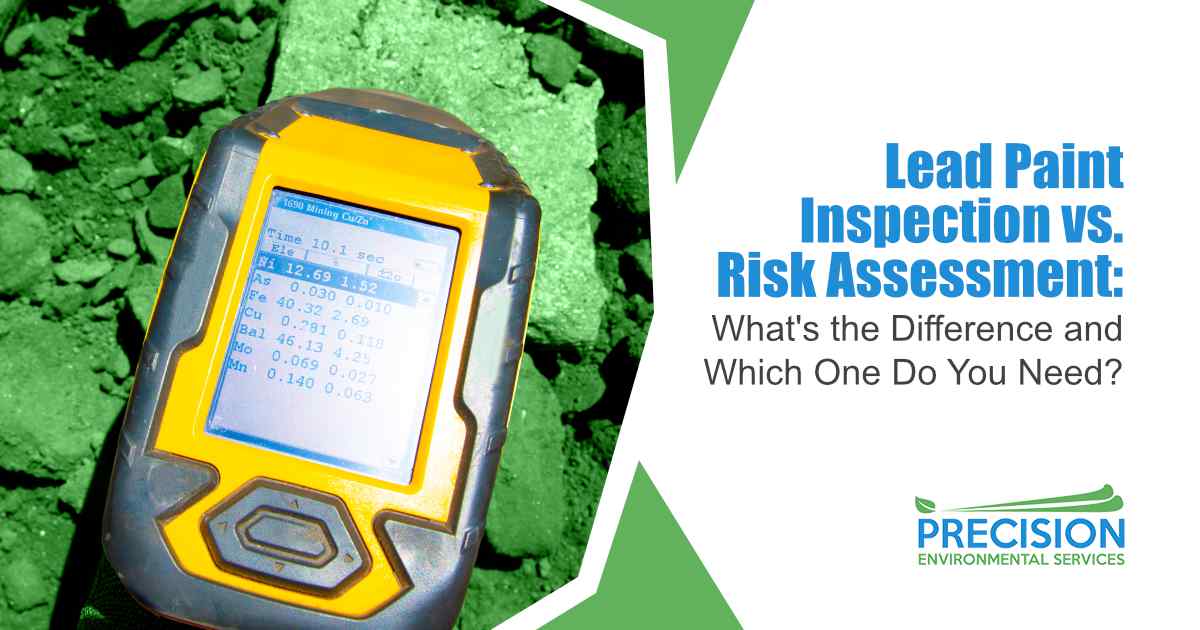
Lead-based paint remains a concern in many homes and buildings constructed before modern regulations limited its use. Property owners, buyers, landlords, and home inspectors often encounter terms such as “lead paint inspection” and “lead risk assessment” but may not fully understand how these services differ. Understanding the difference between a lead paint inspection vs risk assessment helps ensure that the appropriate service is selected based on the property’s condition, occupancy, and intended use.
Although both services address potential lead-related concerns, they serve different purposes and produce different types of information. A lead paint inspection focuses on determining whether lead-based paint is present within a structure. A lead risk assessment evaluates whether lead hazards exist and whether occupants may be exposed to harmful lead contaminants.
Why Homeowners Often Confuse Lead Paint Inspections and Risk Assessments
Lead paint inspections and risk assessments are frequently mentioned together because they both relate to lead-based paint in residential and commercial properties. The services may involve similar terminology, trained professionals, and specialized testing methods. As a result, many property owners assume they are interchangeable when they are actually designed to answer different questions.
A lead paint inspection seeks to identify the presence and location of lead-based paint throughout a building. A risk assessment evaluates whether lead hazards are creating conditions that could expose occupants to lead. Understanding which question needs to be answered is the first step toward selecting the right evaluation.
Older homes often trigger concerns about lead because lead-based paint was commonly used before federal restrictions were implemented. Buyers may want to know whether lead paint exists before purchasing a property. Property managers and homeowners may also need additional information when planning renovations or addressing potential health concerns.
What Is a Lead Paint Inspection?
The Purpose of a Lead Paint Inspection
A lead paint inspection is designed to determine whether lead-based paint is present within a building. The inspection identifies painted surfaces that contain lead and documents their locations throughout the property. Its primary purpose is to establish the existence of lead-based paint rather than evaluate whether the paint currently presents a hazard.
This type of inspection is often requested during property transactions, renovation planning, or environmental due diligence efforts. Homeowners may want confirmation before beginning remodeling projects that could disturb painted surfaces. Property owners can also use inspection results to support long-term maintenance planning and regulatory compliance efforts.
The inspection process creates a detailed record of where lead-containing paint is located. This information can be valuable when future repairs, renovations, or demolition activities are being considered. Knowing where lead-based paint exists allows property owners to make informed decisions before disturbing painted materials.
How Inspectors Test for Lead Paint
One of the most common methods used during a lead paint inspection is XRF testing. X-ray fluorescence technology allows inspectors to evaluate painted surfaces quickly and non-destructively. The device measures lead content beneath paint layers without requiring extensive sampling.
In some situations, lead paint sampling may also be performed. Paint chip samples are collected and submitted to a laboratory for analysis to determine lead concentrations. This approach may be used when additional confirmation is needed or when certain surfaces cannot be effectively evaluated using XRF testing.
A licensed lead inspector performs a systematic evaluation of painted components throughout the structure. Doors, windows, trim, walls, ceilings, and other painted surfaces may be tested. The resulting data helps create a comprehensive map of lead-containing materials within the property.
What Information an Inspection Report Provides
Inspection reports focus on documenting where lead-based paint exists. The report typically identifies tested surfaces, describes testing methods, and presents the findings for each area evaluated. Property owners receive a clear record of locations where lead paint is present.
The report does not typically determine whether occupants are being exposed to hazardous lead levels. Instead, it serves as a reference document that identifies lead-containing materials throughout the structure. This distinction is important when comparing inspections to risk assessments.
Inspection reports can support renovation planning, property transactions, and environmental management strategies. Contractors may use the information to implement appropriate safety procedures before disturbing painted surfaces. Property owners can also use the report to prioritize future maintenance activities.
What Is a Lead Risk Assessment?
The Purpose of a Risk Assessment
A lead risk assessment focuses on identifying actual lead hazards and potential exposure pathways. Rather than simply determining whether lead paint exists, the assessment evaluates whether conditions within the property create a risk to occupants. The goal is to identify situations that may contribute to lead exposure.
Lead hazards can develop when lead-containing paint deteriorates or when renovation activities generate dust and debris. Contaminated soil surrounding a structure may also contribute to exposure risks. A risk assessment examines these conditions to determine whether corrective action may be necessary.
Occupant safety serves as the primary focus of the assessment process. The evaluation helps property owners understand whether lead-containing materials are creating conditions that could impact health. This information supports informed decisions regarding maintenance, remediation, and hazard reduction strategies.
How Risk Assessments Identify Hazards
A lead risk assessor performs a detailed evaluation of conditions that may contribute to lead exposure. Visual inspections help identify deteriorated paint, friction surfaces, impact surfaces, and other areas where lead-containing materials may become disturbed. The assessment focuses on real-world conditions rather than simply confirming the presence of lead paint.
Dust wipe sampling is commonly used during a risk assessment. Samples are collected from floors, windowsills, and other surfaces to determine whether lead-contaminated dust is present. Elevated dust lead levels may indicate that occupants are being exposed to hazardous conditions.
Soil sampling may also be performed when exterior contamination is suspected. Exposure pathway analysis helps determine how occupants could come into contact with lead hazards. These evaluations are particularly important in situations involving children, older housing stock, or HUD lead hazard concerns.
What Is Included in a Risk Assessment Report?
Risk assessment reports provide information about identified hazards and potential exposure concerns. The report documents sampling results, observations, and conditions that may contribute to lead exposure. It also prioritizes areas requiring attention.
Unlike inspection reports, risk assessment reports often include recommendations for addressing identified hazards. Property owners may receive guidance regarding maintenance practices, repairs, cleaning procedures, or additional corrective actions. These recommendations help reduce the likelihood of future exposure.
The report may also reference applicable EPA lead paint regulations and other regulatory considerations. This information helps property owners understand potential compliance obligations. Recommendations are intended to support safer occupancy and long-term hazard management.
Who Can Perform These Services?
Licensed Lead Paint Inspectors
Lead paint inspections should be conducted by qualified professionals with the appropriate training and credentials. A licensed lead inspector possesses the knowledge and equipment necessary to identify lead-containing materials accurately. Proper certification helps ensure that testing procedures meet applicable standards.
Property owners searching for a lead-based paint inspector in Texas should verify licensing and qualifications before scheduling services. State and federal requirements may govern who can perform inspections and issue official reports. Working with a properly trained inspector helps ensure reliable results.
Certified Lead Risk Assessors
Lead risk assessments require additional expertise because the evaluation extends beyond identifying the presence of lead paint. A certified lead risk assessor is trained to evaluate hazards, exposure pathways, and occupant risk factors. This specialized knowledge supports more comprehensive hazard assessments.
Lead paint certification in Texas requirements may vary depending on the specific services being provided. Risk assessors must understand sampling protocols, regulatory requirements, and hazard evaluation procedures. Their training enables them to develop recommendations based on observed conditions and testing results.
Selecting appropriately credentialed professionals is essential regardless of which service is needed. Qualified inspectors and risk assessors help ensure accurate findings and meaningful recommendations. Proper training contributes to reliable evaluations that support informed decision-making.
Lead Paint Inspection vs Risk Assessment: Understanding the Key Differences
The primary distinction between a lead paint inspection and a risk assessment involves the question each service is designed to answer. A lead paint inspection determines whether lead-based paint exists and where it is located. A risk assessment evaluates whether lead hazards are present and whether occupants may be exposed.
An inspection focuses on paint identification and documentation. A risk assessment focuses on exposure conditions, health concerns, and hazard reduction strategies. While the services may involve related testing methods, their objectives and outcomes differ significantly.
Property owners should consider their specific goals when selecting between the two evaluations. If the objective is to determine whether lead paint exists, an inspection may be sufficient. If the concern involves occupant safety and potential exposure, a risk assessment may be the more appropriate option.
| Feature | Lead Paint Inspection | Risk Assessment |
| Primary Goal | Identify lead paint | Identify lead hazards |
| Focus | Presence of lead | Potential exposure |
| Testing Methods | XRF testing, paint sampling | Dust wipe sampling, soil sampling, visual assessment |
| Report Outcome | Paint location data | Hazard reduction recommendations |
| Typical Use | Property documentation | Occupant safety evaluation |
Which Service Do You Need?
While understanding the differences between a lead paint inspection and a risk assessment is important, property owners often want to know which service best fits their situation. The right choice depends on whether the goal is to identify lead-based paint, evaluate potential exposure hazards, or both. The following guide provides a quick reference for common scenarios.
| If You Need To… | Recommended Service |
| Determine whether lead paint exists | Lead Paint Inspection |
| Identify potential lead hazards | Risk Assessment |
| Meet HUD lead hazard requirements | Risk Assessment |
| Plan renovations in an older property | Lead Paint Inspection |
| Understand both paint presence and exposure risks | Both Services |
This comparison provides a simplified way to evaluate common scenarios. Some properties may benefit from a single service, while others may require both an inspection and a risk assessment to gain a complete understanding of lead-related conditions. Reviewing the property’s age, occupancy, and planned activities can help determine the most effective approach.
When Is a Lead Paint Inspection the Right Choice?
A lead paint inspection is often appropriate when property owners need to confirm whether lead-based paint exists within a structure. Homebuyers frequently request inspections when evaluating older homes. Renovation planning may also require accurate information about painted surfaces before work begins.
Property managers and landlords may use inspections as part of due diligence efforts. Understanding where lead-containing materials are located helps support long-term property management strategies. Inspection reports also provide valuable documentation for future planning purposes.
The service is especially useful when identification is the primary objective. Property owners gain a clear understanding of where lead-based paint exists without focusing on broader hazard evaluations. This information can guide future maintenance and renovation decisions.
When Is a Lead Risk Assessment the Better Option?
A risk assessment may be the better choice when there are concerns about potential lead exposure. Deteriorating paint, elevated blood lead levels, or recurring dust contamination may indicate the need for a more comprehensive evaluation. The assessment helps determine whether hazards currently exist within the property.
HUD-funded housing programs may trigger specific requirements related to lead hazard evaluations. Certain situations may require formal risk assessments to identify and address exposure concerns. Understanding applicable requirements helps property owners maintain compliance and protect occupants.
Families with young children often benefit from risk assessments because children are particularly vulnerable to lead exposure. The assessment provides valuable information regarding conditions that may contribute to health risks. Recommendations can then be used to reduce potential hazards.
Situations Where Both Services May Be Recommended
In some cases, a property may benefit from both a lead paint inspection and a risk assessment. Older homes undergoing major renovations may require information about paint locations as well as potential hazards. Combining both services can provide a more complete understanding of the property’s condition.
Property transactions may also create situations where comprehensive evaluations are beneficial. Buyers may want confirmation of lead paint locations while also understanding potential exposure concerns. The combined information supports more informed decision-making.
Certain compliance or environmental management programs may also benefit from both evaluations. Inspection findings identify lead-containing materials, while risk assessments evaluate how those materials affect occupant safety. Together, they provide a more complete picture of lead-related conditions.
Choosing the Right Lead Evaluation for Your Property
The best evaluation depends on the property’s condition, occupancy, and intended use. Property owners seeking to identify lead-containing paint should generally consider a lead paint inspection. Those concerned about exposure risks should consider a risk assessment.
Factors such as property age, renovation plans, occupancy patterns, and regulatory requirements may influence the decision. Understanding the purpose of each service helps ensure that the evaluation aligns with the property’s specific needs. Choosing the correct assessment prevents unnecessary confusion and supports better planning.
When uncertainty exists, consulting with qualified professionals can help determine the most appropriate course of action. Experienced inspectors and assessors can explain available options and clarify the differences between services. Their guidance helps property owners make informed decisions based on reliable information.
Understanding Your Lead Testing Options
Older homes and buildings may require specialized evaluation to determine whether lead-based paint is present and whether exposure hazards exist. Professional testing and assessment services help property owners understand potential risks and make informed decisions regarding maintenance, renovations, and occupant safety. Precision Environmental Services provides professional lead-based paint testing services that help property owners understand their options and determine the most appropriate next steps for their property.