
 Open Monday to Friday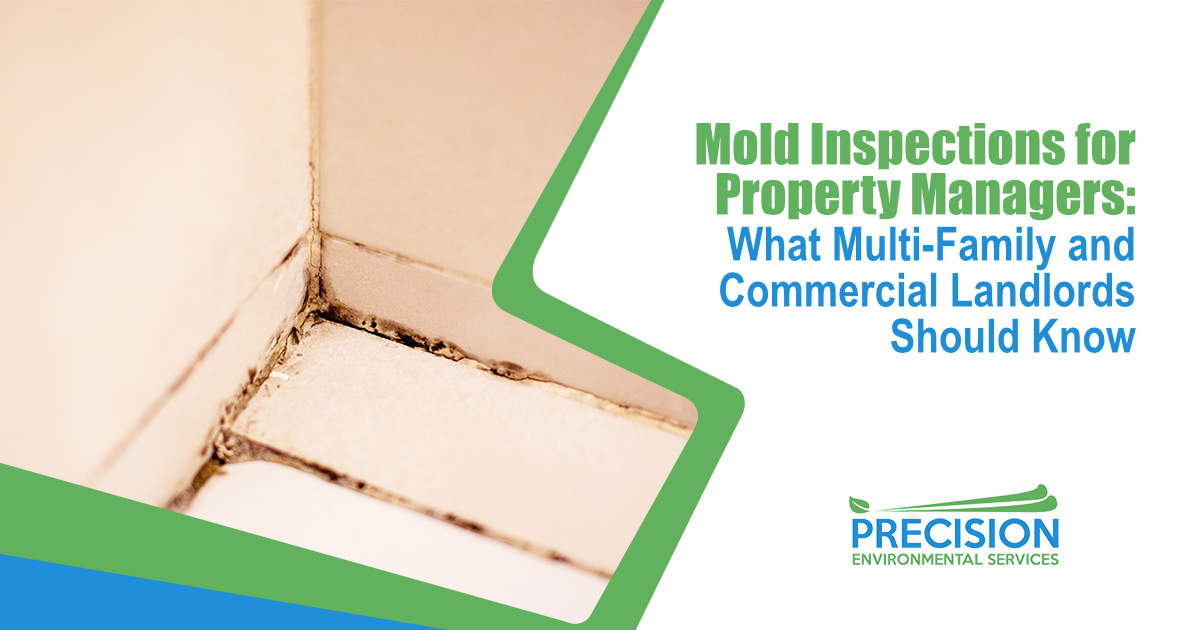
Managing commercial buildings and multi-family properties involves more than collecting rent and coordinating maintenance. Property managers and landlords must also address environmental conditions that can affect occupant health, building performance, and long-term asset value. Professional mold inspections play an important role in identifying moisture-related concerns before they develop into larger problems.
Unlike residential properties, commercial facilities and apartment communities often contain complex mechanical systems, shared spaces, and multiple occupants that increase the likelihood of hidden moisture issues. Proactive inspections help property owners understand building conditions, document findings, and support informed maintenance decisions. For commercial property owners throughout Texas, incorporating routine mold inspections into a preventive maintenance program can reduce unnecessary costs while protecting valuable investments.
Why Property Managers Should Prioritize Mold Inspections
Commercial and multi-family buildings present unique challenges that make routine mold inspections an important component of responsible property management. Larger properties contain more plumbing systems, roof penetrations, HVAC equipment, and shared utility spaces where moisture can develop without immediate detection. Even a small leak can remain unnoticed long enough for mold growth to occur behind walls, above ceilings, or beneath flooring materials.
Moisture intrusion can originate from a variety of sources, including aging roofs, plumbing failures, foundation movement, window leaks, or improperly functioning HVAC systems. Because these issues may remain hidden during routine maintenance, mold growth often develops before visible signs appear. Professional inspections help identify these underlying moisture conditions before they lead to more extensive property damage.
High tenant turnover also increases the need for proactive inspections in apartment communities and commercial facilities. Vacant units, changing occupancy patterns, and deferred maintenance can allow moisture problems to worsen if they are not identified promptly. Routine of mold inspection commercial property Texas support preventive maintenance programs by helping property managers address concerns before they become larger operational issues.
Understanding Landlord Mold Responsibilities in Texas
Property owners and managers generally have a responsibility to maintain safe, well-maintained buildings and to investigate reported moisture issues in a timely manner. Prompt attention to water intrusion and indoor environmental concerns demonstrates a commitment to protecting both occupants and the property itself. Early action can also simplify maintenance planning by identifying problems before they become more costly to address.
Professional mold inspections provide objective documentation that supports maintenance decisions and property records. Inspection reports can help establish when moisture conditions were identified, where they were located, and what recommendations were provided by qualified environmental professionals. Maintaining thorough documentation may also support communication with maintenance teams, contractors, insurers, or other stakeholders.
Because every property and situation is different, building owners should avoid making assumptions about specific legal obligations regarding mold. Property owners should consult applicable Texas regulations and qualified legal professionals regarding questions related to landlord mold responsibility Texas requirements or other legal obligations. Professional inspections should be viewed as part of a proactive property management strategy rather than a legal determination.
What Happens During a Professional Mold Inspection?
Commercial properties often require more comprehensive evaluations than single-family homes because of their size, complexity, and occupancy levels. Professional inspectors evaluate the building as a system, looking for evidence of moisture intrusion, conditions that support mold growth, and areas that may require additional investigation. The goal is to identify environmental conditions that deserve attention while providing clear documentation for property managers.
Initial Property Assessment
Every inspection begins with gathering information about the building’s history and current conditions. Inspectors may review previous water intrusion events, maintenance records, renovation history, and occupant observations to better understand potential moisture sources. Exterior observations also help identify drainage concerns, roof conditions, or building envelope issues that could contribute to moisture intrusion.
Walking the property provides valuable context before specialized testing equipment is used. Mechanical rooms, common areas, occupied spaces, and exterior components may all be evaluated depending on the property’s layout and inspection objectives. This systematic approach allows inspectors to prioritize areas requiring closer examination.
Moisture Detection and Mold Testing
Modern inspections use specialized equipment to identify hidden moisture that may not be visible during a standard walkthrough. Moisture meters, thermal imaging cameras, and moisture mapping techniques help locate areas where elevated moisture levels exist behind finished building materials. Identifying these conditions early allows property managers to investigate underlying causes before extensive damage occurs.
When inspection findings indicate additional evaluation is appropriate, environmental professionals may recommend air sampling or surface sampling. Laboratory analysis can provide additional information regarding environmental conditions and help support inspection findings when necessary. Because every property is different, testing methods are selected based on site conditions rather than being automatically included with every inspection.
Professional commercial property mold testing and Texas mold assessment services focus on collecting reliable information that supports informed decision-making. Rather than relying on assumptions, inspectors document observable conditions using established assessment methods. This objective approach helps property managers prioritize maintenance activities based on actual building conditions.
Inspection Report and Recommendations
Following the inspection, property managers receive documentation summarizing observations and findings. Reports commonly include photographs, moisture readings, identified moisture sources, and recommendations for further evaluation or corrective action when appropriate. This documentation creates a valuable record for maintenance planning and future reference.
Inspection reports also help prioritize maintenance activities according to the significance of identified conditions. Rather than addressing issues reactively, property managers can develop maintenance schedules that focus on preventing recurring moisture problems. Organized documentation supports ongoing building management and demonstrates a proactive approach to facility maintenance.
Common Mold Risk Areas in Commercial and Multi-Family Buildings
Certain areas of commercial buildings consistently present higher moisture risks due to their design, function, or exposure to water. Roof systems may develop leaks around penetrations or flashing, while HVAC equipment can generate condensation that contributes to elevated humidity levels. Mechanical rooms, utility chases, and plumbing walls also contain concealed components where leaks may remain unnoticed for extended periods.
Bathrooms, kitchens, laundry facilities, and shared common areas experience frequent water use, increasing opportunities for moisture accumulation if ventilation or drainage is inadequate. Basements and crawl spaces may also experience elevated humidity levels or groundwater intrusion depending on building construction and site conditions. Exterior wall assemblies can similarly trap moisture if building envelope components deteriorate over time.
Apartment communities present additional considerations because multiple occupied and vacant units may experience different maintenance conditions simultaneously. Vacant apartments, storage areas, and utility spaces should be included in routine inspection programs since moisture problems often develop unnoticed in these locations. Scheduling periodic multi-family mold inspection & testing services, including apartment mold inspection DFW evaluations when appropriate, helps property managers maintain greater awareness of building conditions throughout the property.
Establishing a Mold Response Protocol for Property Managers
An organized response protocol helps property management teams respond consistently whenever moisture concerns arise. Staff members should understand how to document occupant reports, identify potential moisture sources, and communicate findings through established maintenance procedures. Standardized reporting processes reduce confusion while improving response times.
Prompt moisture control should remain a priority whenever leaks, flooding, or elevated humidity are identified. Coordinating maintenance personnel, contractors, and environmental professionals allows moisture issues to be investigated efficiently before conditions worsen. Maintaining accurate records throughout the process supports both operational planning and future maintenance decisions.
An effective property manager mold protocol should also include scheduled preventive inspections and follow-up evaluations after significant water events. Regular inspection schedules help verify that previous repairs remain effective while identifying new moisture concerns that may require attention. Ongoing communication among maintenance teams, property managers, and qualified environmental professionals supports long-term building performance.
How Routine Mold Inspections Protect Commercial Investments
Routine mold inspections provide benefits that extend well beyond identifying visible mold growth. Early detection of moisture intrusion often reduces repair costs by allowing maintenance teams to address problems before building materials experience significant damage. Preventive inspections also help reduce operational disruptions by identifying issues during planned maintenance instead of emergency situations.
Professional inspections support better budgeting because property managers receive objective information about building conditions before major repairs become necessary. Inspection reports help prioritize maintenance expenditures according to documented findings rather than assumptions. This structured approach allows property owners to allocate resources more effectively throughout the year.
Routine inspections may also contribute to improved tenant satisfaction by demonstrating a proactive commitment to property maintenance. Occupants appreciate prompt responses to moisture concerns and confidence that building conditions are being monitored responsibly. Thorough documentation can also support due diligence while reducing uncertainty associated with mold liability landlord concerns through consistent maintenance practices.
Preventive inspections ultimately help preserve property value by supporting long-term building maintenance strategies. Moisture issues addressed early are generally less disruptive than extensive repairs resulting from prolonged water intrusion. For commercial landlords and property managers, professional inspections represent a practical investment in protecting both the property and the people who occupy it.
Protect Your Property with Professional Mold Inspection Services
Proactive mold inspections help commercial landlords and property managers identify hidden moisture issues before they become costly repairs or operational disruptions. Whether managing an apartment community, office building, retail center, or industrial facility, early detection supports informed maintenance decisions, protects property value, and promotes healthier indoor environments.
If your commercial or multi-family property is due for an inspection or you’ve recently experienced water intrusion, Precision Environmental Services can help. Contact Precision Environmental Services today to schedule professional mold inspection and testing services and gain the documentation and expert insights needed to protect your investment with confidence.