



 Open Monday to Friday
Mold Services
Get Estimate
Mold Services
Mold can develop when moisture is present in an indoor environment, including after water intrusion, leaks, flooding, or persistent humidity. Professional mold services help evaluate suspected mold conditions, assess airborne mold concerns, and determine what additional investigation or corrective action may be appropriate.
Precision Environmental Services provides professional mold services that address different stages of identifying and managing mold concerns. The appropriate service depends on the conditions present, the information needed, and whether mold contamination has already been identified.
Mold Inspection, Testing, Air Quality Testing, and Remediation Services
Mold-related concerns can require different types of professional evaluation and corrective work. Mold inspection focuses on visible mold growth, moisture conditions, water damage, and other signs that may indicate a mold concern. Mold testing uses samples collected from surfaces or materials to provide additional information through laboratory analysis.
Mold air quality testing focuses specifically on airborne mold spores and uses air sampling to evaluate the fungal material represented in collected samples. Mold remediation addresses identified mold contamination and affected materials. The specific remediation service offered by Precision Environmental Services is subject to confirmation.
Mold Inspection
Mold inspection involves evaluating an indoor environment for visible mold growth, moisture, water damage, and other conditions that may contribute to mold development. A professional inspection can help identify areas of concern and determine whether further investigation may be appropriate.
Precision Environmental Services’ accredited inspectors can help evaluate suspected mold conditions and provide information about the findings. For more information about visible mold, moisture conditions, and suspected mold concerns, explore the Mold Inspection service.
Mold Testing
Mold testing involves collecting samples from surfaces or materials where fungal growth is suspected and submitting them for laboratory analysis. Depending on the circumstances, sampling methods may include swab, tape-lift, or bulk material samples.
Laboratory findings can provide additional information about the fungal material identified in the collected samples. Learn more about Mold Testing.
Mold Air Quality Testing
Mold air quality testing evaluates airborne mold spores within an indoor environment. Air samples may be collected from selected indoor areas and, when appropriate, compared with outdoor samples to provide context for interpreting airborne fungal findings.
The results can provide information about the sampled air but do not independently establish the location of mold growth. To learn more about evaluating airborne mold spores, see Mold Air Quality Testing.
Mold Remediation
Mold remediation addresses identified mold contamination and affected materials. Depending on the circumstances, remediation work may involve containment, removal of affected materials, cleaning or treatment, and attention to moisture conditions that contribute to mold growth.
The scope of remediation services offered by Precision Environmental Services requires confirmation before this section is finalized. The page should accurately reflect whether PES performs physical remediation, develops remediation protocols, or provides another service related to the remediation process.
How Mold Services Address Different Needs
The appropriate mold service depends on what is known about the indoor environment and what information or corrective action is needed. An inspection evaluates visible conditions and potential moisture-related concerns, while surface or material testing can provide additional laboratory information about collected samples.
Air quality testing serves a different purpose by evaluating airborne mold spores. When mold contamination requires corrective action, remediation addresses the affected materials and relevant environmental conditions, subject to confirmation of the service provider’s role.
Keeping these services distinct helps match the evaluation or corrective work to the conditions being addressed.
Conditions That Can Contribute to Mold Growth
Mold can develop when moisture and suitable environmental conditions are present. Common conditions associated with mold growth include:
- Water leaks or intrusion
- Flooding or previous water damage
- Persistent indoor humidity
- Condensation
- Moisture-prone areas with inadequate ventilation
- Damp building materials
Addressing moisture is an important consideration when evaluating mold concerns. If moisture conditions remain unresolved, mold may continue to develop or return after affected materials have been addressed.
Professional Evaluation of Mold Concerns
Mold conditions are not always visible. Moisture may affect areas behind walls, ceilings, flooring, or other building materials, while airborne mold spores cannot be seen with the naked eye.
Different evaluation methods provide different types of information. Depending on the circumstances, an assessment may involve visual inspection, moisture evaluation, surface or material sampling, air sampling, laboratory analysis, or remediation planning.
A professional evaluation can help clarify the conditions identified and determine whether further investigation or corrective action may be appropriate.
Choosing the Appropriate Mold Service
Different mold concerns call for different types of evaluation or corrective work. An inspection may help identify visible mold and moisture conditions, while surface or material testing may be appropriate when laboratory identification is needed.
Air quality testing focuses on airborne mold spores, whereas remediation addresses identified mold contamination and affected materials. The appropriate service depends on the conditions present and the information or work required.
The individual service pages provide more detailed information about each service and its purpose.
Learn More About Mold Services
Mold-related services address different parts of the process, from evaluating suspected conditions and collecting samples to assessing airborne mold spores and addressing identified contamination. Understanding the purpose of each service helps clarify which type of evaluation or corrective work may be appropriate.
Explore Mold Services
Review the individual service pages for more information about mold inspection, mold testing, air quality testing, and remediation services.
Contact Precision Environmental Services to discuss mold-related concerns and determine what type of evaluation may be appropriate.
Call us at 940-597-2673, or use the form to request an estimate.
Call for an estimate!
214-888-6956
Latest News
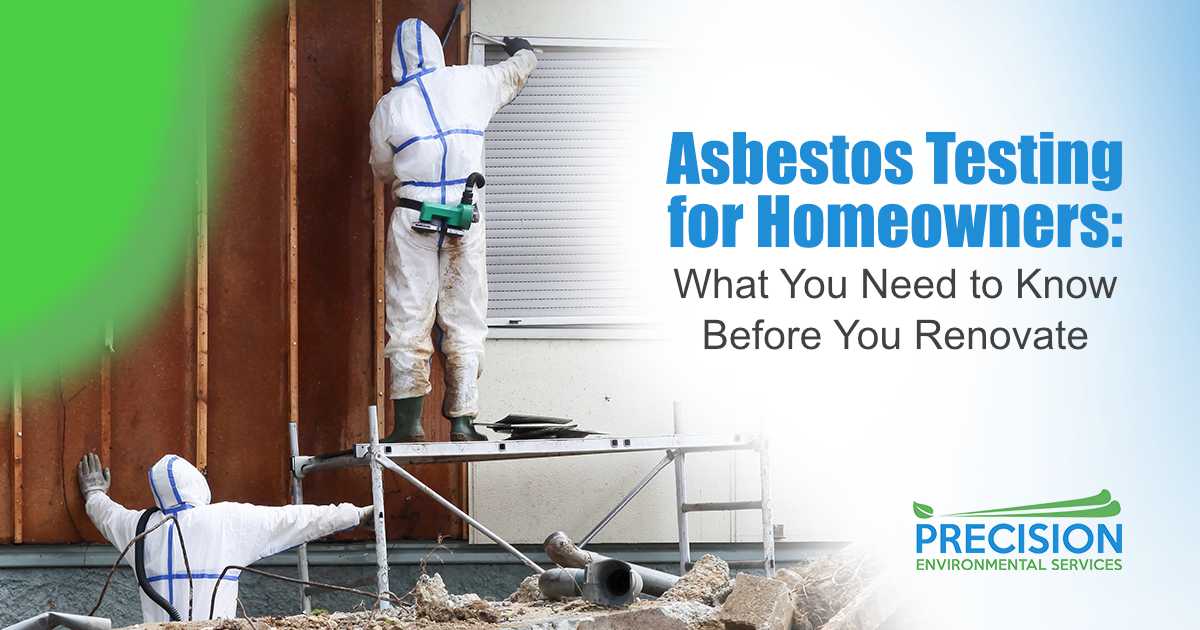
Asbestos Testing for Homeowners: What You Need to Know Before You Renovate
Planning a home renovation often involves selecting materials, hiring contractors, and establishing a budget. However, many homeowners overlook...
Asbestos in Schools and Public Buildings: What Texas Regulations Require
Many schools and public buildings across Texas were constructed before asbestos-containing materials were heavily regulated, making asbestos...
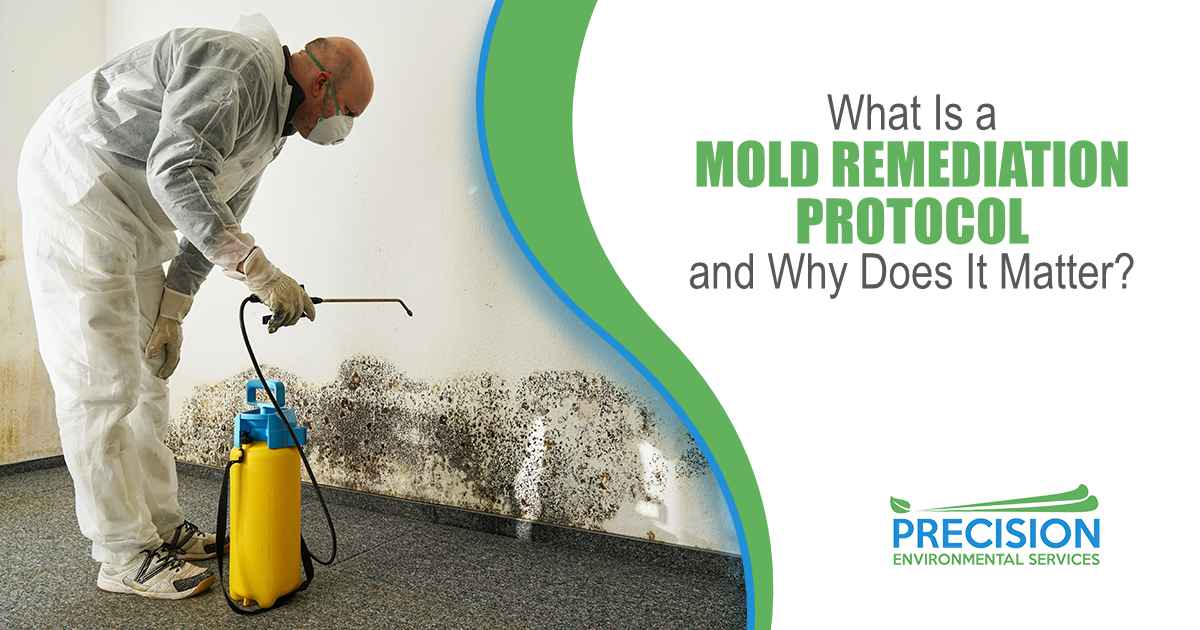
What Is a Mold Remediation Protocol and Why Does It Matter?
Mold contamination can affect residential, commercial, and institutional properties after water intrusion or prolonged moisture exposure. While many...