




 Open Monday to Friday
Mold Testing
Get Estimate
Mold Testing
Mold testing involves collecting samples from surfaces or building materials where fungal growth is visible or suspected. These samples can be submitted for laboratory analysis to provide additional information about the fungal material present on the sampled surfaces or materials.
Testing can help answer questions that visual observation alone may not resolve, such as whether a substance on a material contains fungal growth. The appropriate sampling method depends on the material being evaluated, the conditions observed, and the purpose of the testing.
What Is Mold Testing?
Mold testing evaluates suspected fungal material by collecting samples from specific surfaces or building materials. Unlike mold air quality testing, which focuses on airborne spores, this service focuses on material that may contain fungal growth.
Sampling methods may include swab sampling, tape-lift sampling, or bulk sampling. Each method collects a different type of material for laboratory analysis, and the appropriate choice depends on the surface or material being examined.
Mold testing results provide information about the samples collected. They should be considered alongside observations about visible growth, moisture, water damage, and the surrounding building conditions.
How Mold Testing Works
Mold testing begins by identifying the surfaces or materials that require further evaluation. Visible discoloration, suspected fungal growth, and signs of previous moisture exposure may help determine where samples should be collected.
The sampling method is selected based on the material and the information needed. Samples are then collected and submitted for laboratory analysis, which provides findings about the fungal material represented in each sample.
Determining Appropriate Sampling Locations
Sampling locations are selected according to the conditions being evaluated. Areas with visible growth, suspected contamination, or materials affected by moisture may warrant closer examination.
The location and number of samples depend on the scope of the evaluation. Results represent the specific materials and areas sampled and do not automatically establish the condition of every surface or material within a building.
Collecting Surface and Material Samples
The collection method depends on the type of surface or building material being evaluated. Swab, tape-lift, and bulk sampling each provide a way to collect material for laboratory examination.
Careful sample collection helps ensure that the laboratory receives material representative of the selected location. The method used and the exact sampling location should be considered when interpreting the findings.
Laboratory Analysis
Collected samples are submitted for laboratory analysis to evaluate the fungal material present in the submitted material. Depending on the sample and the laboratory method, the findings may help identify fungal structures or types of fungal material.
Laboratory findings provide information about the samples rather than a complete assessment of the entire building. Results are most useful when interpreted alongside the observations and conditions associated with the sampled areas.
Types of Mold Testing
Different sampling methods are used depending on the surface or material being examined. The choice of method depends on accessibility, the type of material, and the purpose of the evaluation.
Swab Sampling
Swab sampling collects material from a selected surface using a sampling swab. It may be appropriate for accessible areas where fungal growth or suspected contamination is present.
The collected material can be submitted for laboratory analysis to provide information about the sample. Results apply to the sampled area and should be considered alongside other observations about the surface and surrounding conditions.
Tape-Lift Sampling
Tape-lift sampling collects material from a surface using a specialized sampling tape. It may be useful when visible or suspected fungal material can be collected directly from an accessible area.
The collected material is examined through laboratory analysis. This method can help evaluate suspected growth on a surface without requiring a larger piece of the building material to be removed.
Bulk Material Sampling
Bulk sampling involves collecting a portion of a material suspected of containing fungal growth. Depending on the conditions, the sample may come from a building component or another affected material.
This method may be considered when the material itself needs to be examined. The findings apply to the submitted sample and should be interpreted in relation to the material’s condition and the area from which it was collected.
When Mold Testing May Be Appropriate
Mold testing may be considered when additional information is needed about suspected fungal growth on a surface or building material. It can be useful when the appearance of a substance alone does not provide enough information to evaluate the material.
Situations where surface or material sampling may be considered include:
- Visible discoloration or suspected fungal growth on a building material
- Questions about a substance found on a surface
- Suspected fungal growth on materials previously exposed to moisture
- Materials affected by leaks or other water intrusion
- A need for laboratory information about a specific sampled material
Testing is not necessary for every suspected mold condition. The appropriate approach depends on the observations, the material involved, and whether laboratory analysis is likely to provide useful additional information.
Understanding Mold Testing Results
Mold testing results describe the fungal material identified in the collected samples. Findings may provide additional information about a particular surface or building material when visual observation alone does not answer the question being evaluated.
Results should be interpreted in relation to the sampling method, the location of the sample, and the condition of the material. A result from one location does not necessarily represent other materials or areas that were not sampled.
Laboratory findings also do not independently establish whether an entire indoor environment is safe or unsafe. They are one part of the information that may be considered when evaluating suspected mold conditions and determining whether further investigation is appropriate.
Factors That Can Affect Mold Testing
The usefulness of mold testing depends on selecting an appropriate sampling method and collecting material from relevant locations. The condition of the surface, accessibility, the type of building material, and the amount of material collected can affect what a sample represents.
Fungal growth may not be distributed evenly across a surface or throughout a building. A sample from one location may therefore provide different findings from a sample collected elsewhere.
For these reasons, sampling locations and methods should reflect the purpose of the evaluation. Laboratory results should be considered alongside visible conditions, moisture observations, and other information about the affected materials.
Mold Testing and Building Materials
Suspected mold growth may appear on different types of building materials, and each material can present different sampling considerations. The appropriate method depends on the material’s surface, condition, and accessibility.
Surface sampling may be suitable when suspected growth is present on an accessible area. Bulk sampling may be considered when a portion of the material itself needs to be evaluated.
Testing provides information about the submitted material, but it does not by itself identify the underlying cause of moisture or determine the full extent of a condition. Those questions may require additional evaluation of the surrounding environment.
Professional Mold Testing
Professional mold testing involves selecting appropriate sampling methods, collecting samples from relevant surfaces or materials, and considering laboratory findings in context. The purpose is to obtain useful information about suspected fungal growth on the materials being evaluated.
A professional approach also recognizes the limitations of sampling. Results represent the samples collected and should not be treated as a complete assessment of every surface or building material.
When additional information is needed about suspected fungal growth on materials, an appropriate sampling approach can help clarify what is present in the areas examined.
Learn More About Mold Testing
Mold testing uses surface and material sampling to investigate suspected fungal growth on specific building materials. Swab, tape-lift, and bulk sampling can provide laboratory information that complements observations of the affected areas.
Visit the Mold Services page to learn how mold testing fits within the broader range of services used to evaluate suspected mold conditions.
Discuss Mold Testing
Contact Precision Environmental Services to discuss suspected mold growth on surfaces or building materials and whether professional mold testing may be appropriate.
Call us at 940-597-2673, or use the form to request an estimate.
Call for an estimate!
214-888-6956
Latest News

Asbestos Testing for Homeowners: What You Need to Know Before You Renovate
Planning a home renovation often involves selecting materials, hiring contractors, and establishing a budget. However, many homeowners overlook...

Asbestos in Schools and Public Buildings: What Texas Regulations Require
Many schools and public buildings across Texas were constructed before asbestos-containing materials were heavily regulated, making asbestos...
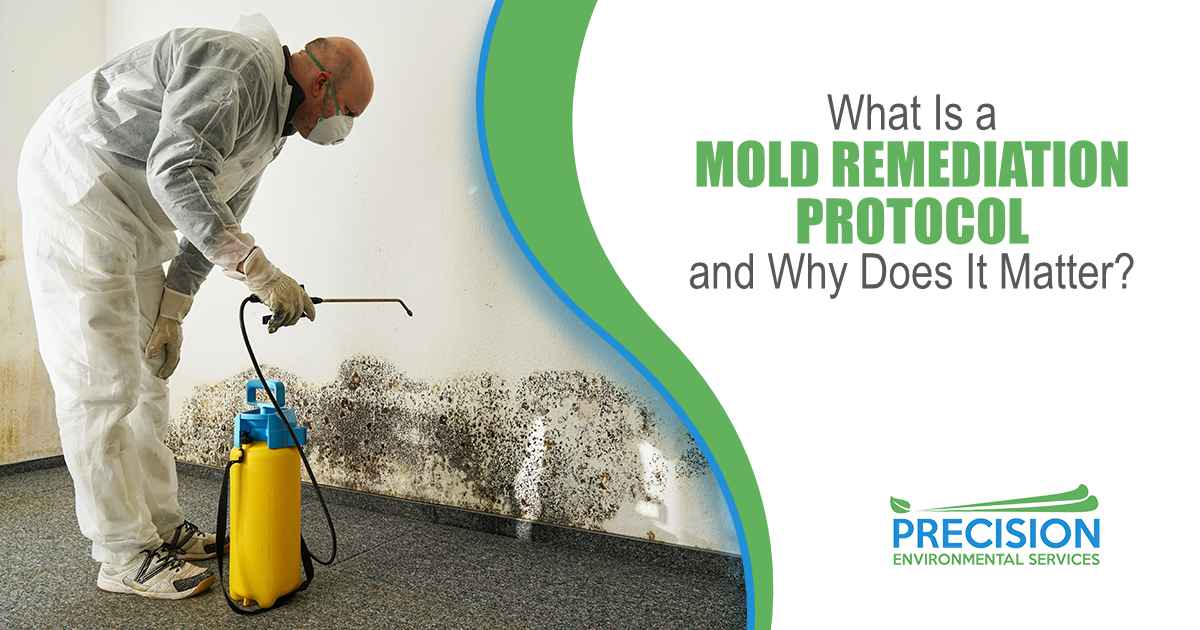
What Is a Mold Remediation Protocol and Why Does It Matter?
Mold contamination can affect residential, commercial, and institutional properties after water intrusion or prolonged moisture exposure. While many...