
 Open Monday to Friday
Older homes continue to attract buyers across North Texas because of their character, established neighborhoods, and renovation potential. Many fixer-uppers offer opportunities to customize a property while building equity through thoughtful improvements. However, aging building materials and years of deferred maintenance can introduce environmental concerns that are not always obvious during a standard walkthrough.
Environmental hazards can affect renovation budgets, project timelines, and long-term occupancy plans. Some issues remain hidden behind walls, beneath flooring, or within aging mechanical systems until remodeling work begins. Understanding these potential concerns before purchasing can help buyers make more informed decisions and avoid unexpected surprises later.
For anyone considering a fixer-upper home inspection in Texas, environmental due diligence deserves attention alongside structural and financial evaluations. A proactive approach can help identify concerns that may require additional planning before renovation activities begin. The following environmental checklist highlights several common hazards associated with older homes throughout DFW and North Texas.
Why Environmental Risks Matter When Buying an Older Home
Purchasing an older home often involves balancing opportunity with risk. While many buyers focus on roofing, foundations, and major systems, environmental hazards can be equally important considerations during the evaluation process. Identifying potential concerns early allows buyers to better understand the full scope of a renovation project.
Many environmental issues are not readily visible during a traditional home inspection. Certain hazards may remain concealed until walls, ceilings, flooring, or other materials are disturbed during remodeling. As a result, environmental inspection before buying can provide valuable context when assessing an older property’s condition.
Environmental concerns can also influence project costs and scheduling. Discovering hidden issues after construction begins may result in delays, additional planning requirements, or changes to renovation priorities. A thorough home buyer environmental checklist helps reduce uncertainty and supports more effective decision-making before closing.
Check for Asbestos Before Starting Renovations
Asbestos remains one of the most common environmental hazards found in older homes throughout North Texas. Many residential properties built before the 1980s incorporated asbestos-containing materials because of their durability and fire-resistant properties. Although these materials may remain undisturbed for years, renovation activities can create concerns when they are damaged or removed.
Buyers evaluating an older asbestos home in DFW property should pay close attention to the age and construction history of the residence. Materials commonly associated with asbestos may include vinyl floor tiles, pipe insulation, ceiling treatments, adhesives, mastics, and certain HVAC components. Understanding where these materials may exist can help buyers better prepare for future renovation plans.
The presence of suspect materials does not necessarily indicate an immediate problem. However, remodeling projects that involve demolition, sanding, cutting, or removal may increase the likelihood of disturbing older building products. Identifying potential asbestos-containing materials before beginning renovations allows buyers to plan projects more effectively and avoid unexpected complications.
North Texas contains a substantial inventory of homes built during periods when asbestos-containing materials were commonly used. Buyers planning major renovations should consider how the home’s construction era may influence environmental considerations. Awareness of these risks can contribute to safer and more predictable renovation outcomes.
Identify Potential Lead-Based Paint Hazards
Lead-based paint remains another significant concern in homes constructed before 1978. During that period, lead was commonly used in residential paints because of its durability and performance characteristics. Although many older homes have been repainted over time, original layers may still exist beneath newer coatings.
When evaluating a lead-painted pre-1978 home Texas, buyers should pay attention to painted surfaces showing signs of wear or deterioration. Doors, windows, trim, baseboards, and exterior siding are common locations where older paint layers may remain. Areas exposed to frequent friction or weathering can sometimes show evidence of aging paint systems.
Renovation projects frequently involve activities that disturb painted surfaces. Sanding, scraping, drilling, and demolition work may release dust from older paint layers that were previously undisturbed. Understanding potential lead paint concerns before purchasing can help buyers evaluate renovation requirements more accurately.
Many North Texas neighborhoods feature homes built before federal restrictions on lead-based paint were implemented. These properties often attract buyers seeking architectural character and redevelopment opportunities. Including lead paint considerations within an environmental inspection before buying supports a more complete assessment of potential renovation challenges.
Look for Mold and Moisture Problems
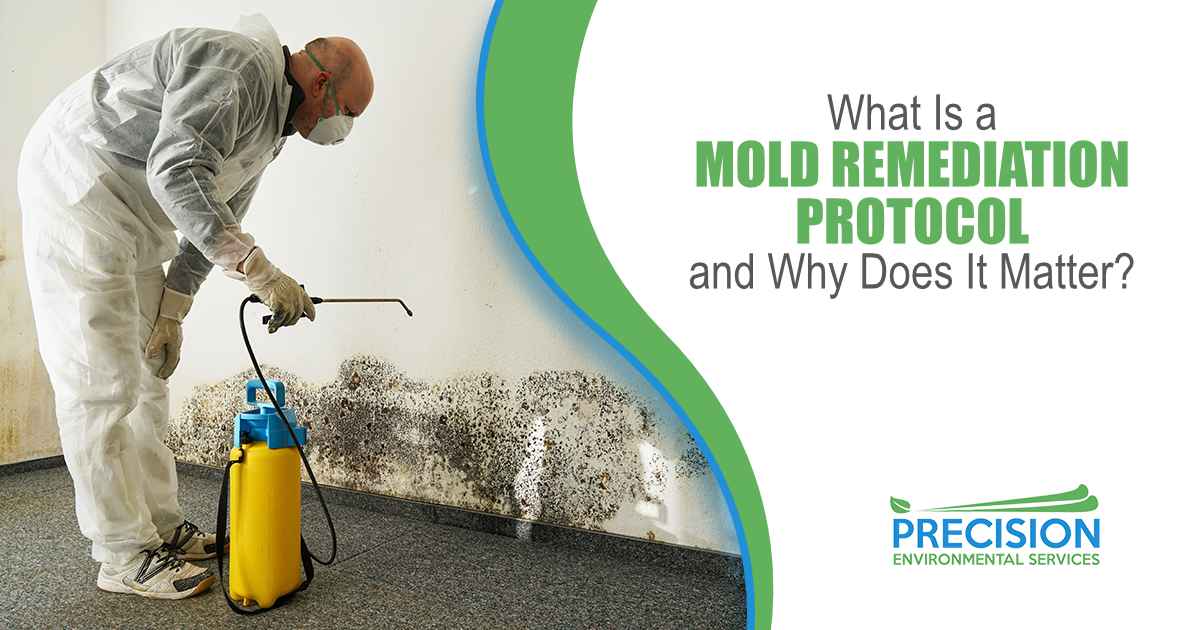
Mold and moisture-related concerns are frequently associated with older homes that have experienced years of deferred maintenance. Water intrusion can occur through aging roofs, plumbing leaks, damaged flashing, foundation issues, or HVAC system problems. Over time, these conditions may create environments where mold growth becomes more likely.
Visible mold growth does not always reflect the full extent of a moisture problem. In some situations, moisture may be present behind walls, beneath flooring, inside crawl spaces, or within attic areas where it remains unnoticed. Buyers should carefully evaluate signs such as water stains, discoloration, musty odors, or evidence of previous water damage.
North Texas weather patterns can contribute to moisture-related concerns in older properties. Seasonal storms, periods of heavy rainfall, and long cooling seasons may place additional stress on aging building systems. As a result, mold inspection home purchase considerations often become particularly important for buyers planning significant renovations.
Bathrooms, kitchens, attics, and HVAC systems are common areas where moisture-related issues may develop. Identifying these concerns before beginning renovation work allows buyers to prioritize repairs and better understand potential project requirements. Early awareness can help reduce the likelihood of unexpected discoveries during construction.
Evaluate Indoor Air Quality Concerns
Not all environmental hazards are immediately visible during a property evaluation. Indoor air quality concerns can result from a combination of aging materials, moisture problems, dust accumulation, inadequate ventilation, and neglected HVAC systems. These factors may affect overall comfort and building performance over time.
Older homes often contain years of accumulated dust and debris within mechanical systems and building cavities. Deferred maintenance may contribute to airflow restrictions, excess humidity, or ventilation deficiencies that influence indoor conditions. Buyers should consider how the overall condition of a home’s systems may affect long-term indoor air quality.
North Texas experiences extended periods of warm weather that place considerable demands on residential HVAC systems. Older equipment may struggle to manage humidity and airflow effectively, particularly if maintenance has been inconsistent. Evaluating these conditions during the home-buying process can help identify areas that may warrant further attention.
Environmental consulting residential Texas professionals often evaluate multiple factors that may contribute to indoor air quality concerns. Understanding these potential influences provides buyers with a broader perspective when assessing older homes. A comprehensive approach helps ensure that visible hazards are not the only issues being considered.
A Practical Environmental Checklist for Fixer-Upper Buyers
A structured approach can help buyers evaluate the environmental hazards that older homes in North Texas properties may present. Following a practical checklist encourages more thorough due diligence before making renovation commitments. It also helps organize environmental considerations alongside other inspection activities.
Before making an offer, buyers should verify the home’s construction date and review available property disclosures. Understanding when the property was built can provide valuable insight into the likelihood of asbestos-containing materials or lead-based paint. Buyers should also consider how planned renovations may interact with older building materials.
During the inspection period, buyers should assess areas where asbestos-containing materials may be present and evaluate potential lead paint concerns. They should also look for signs of moisture intrusion, water damage, or visible mold growth throughout the property. Reviewing attic spaces, mechanical systems, and high-moisture areas can provide additional insight into potential environmental risks.
Before closing, buyers should evaluate the HVAC system condition and consider any indoor air quality concerns that may affect future occupancy or renovation plans. Those seeking a more comprehensive understanding of potential environmental concerns before renovation projects can learn more about available environmental services designed to support residential property assessments. Taking these steps helps create a more complete picture of the property’s environmental condition before major investments are made.
Environmental Due Diligence Before Finalizing a Purchase
Environmental due diligence can provide valuable information during the home-buying process. While fixer-uppers often present exciting renovation opportunities, they may also contain hidden conditions that affect project scope and planning. Understanding these factors before closing allows buyers to move forward with greater confidence.
Early identification of environmental concerns helps reduce uncertainty during renovations. Buyers who understand potential hazards can make more informed decisions regarding budgeting, scheduling, and project priorities. This preparation may also help prevent unexpected disruptions once renovation work begins.
Environmental awareness should be viewed as an important component of responsible property evaluation. Just as buyers assess structural systems and financial considerations, environmental factors deserve thoughtful review. A balanced approach supports more informed purchasing decisions and long-term project success.
Conclusion
Fixer-uppers can offer significant opportunities for buyers seeking to create a customized home or investment property in North Texas. However, older homes frequently contain environmental hazards that may not become apparent until renovation work is underway. Understanding these risks before purchasing can help buyers avoid unexpected challenges and better prepare for future improvements.
Asbestos, lead-based paint, mold, moisture problems, and indoor air quality concerns are among the most common issues found in aging residential properties. Evaluating these factors as part of a home buyer environmental checklist supports more thorough due diligence throughout the purchasing process. Awareness and preparation help buyers gain a clearer understanding of potential renovation requirements.
Environmental hazards in older home North Texas buyers encounter do not necessarily prevent a successful renovation project. Instead, they highlight the importance of careful planning and informed decision-making before closing on a property. A proactive environmental assessment approach allows buyers to move forward with greater confidence and fewer surprises.