

Discovering asbestos-containing materials (ACM) in a building can raise concerns about safety, project timelines, and next steps. Understanding the asbestos abatement process that Texas property owners may encounter can help reduce uncertainty and provide a clearer picture of how professionals safely manage and remove asbestos hazards.
Professional asbestos abatement follows strict regulations and established procedures designed to protect workers, occupants, and the surrounding environment. From the initial asbestos survey through final clearance testing, licensed professionals follow a structured process to ensure regulatory compliance and safe remediation of ACM.
Understanding the Purpose of Asbestos Abatement
Asbestos abatement refers to the removal, repair, encapsulation, or management of asbestos-containing materials (ACM) found in building components such as insulation, flooring, roofing, and ceiling products. Abatement is often necessary when these materials become damaged, deteriorated, or may be disturbed during renovation, remodeling, or demolition activities, as damaged ACM can release microscopic asbestos fibers into the air.
The asbestos abatement process that Texas property owners encounter is designed to protect public health while meeting state and federal regulatory requirements. Licensed asbestos contractors follow strict procedures to control exposure risks, minimize the release of airborne fibers, and ensure asbestos materials are handled safely throughout the remediation project.
Understanding Texas Regulatory Requirements for Asbestos Abatement
The asbestos abatement process in Texas is regulated under the Texas Asbestos Health Protection Act (TAHPA), which is administered by the Texas Department of State Health Services. These regulations establish standards for asbestos-related activities, including licensing, training, project notification, and approved work practices to help protect public health and safety.
Licensed asbestos contractors must meet specific qualification requirements and follow applicable regulations throughout the project. Regulatory oversight helps ensure consistent safety standards, proper documentation, and the effective management of asbestos-related risks across Texas.
Step 1: Conducting an Asbestos Survey and Project Assessment
The first stage of most asbestos abatement projects involves identifying and evaluating suspected asbestos-containing materials through inspections and laboratory testing. Once asbestos is confirmed, professionals assess the material’s condition, location, and extent to determine the most appropriate management or remediation approach.
The information gathered during the assessment helps define the project scope and supports the development of detailed work plans, including containment requirements, safety protocols, and remediation procedures. Thorough planning helps ensure the asbestos abatement project is completed safely, efficiently, and in compliance with applicable regulations.
Step 2: Preparing the Site for Abatement
Before asbestos removal begins, contractors prepare the work area by coordinating schedules, establishing access restrictions, and addressing any site-specific requirements. Occupants may also be notified about project timelines and temporary limitations on building access.
Preparation typically includes protecting nearby surfaces, equipment, and unaffected areas, as well as staging specialized tools, containment materials, and safety equipment. These measures help prevent contamination, support safe working conditions, and ensure the project proceeds efficiently once abatement activities begin.
Step 3: Establishing Asbestos Containment Measures
Containment is a critical part of professional asbestos abatement because it helps isolate the work area and prevent asbestos fibers from spreading to occupied spaces. Contractors typically install polyethylene sheeting, temporary barriers, and controlled access points to create a secure work zone that protects workers, occupants, and surrounding areas.
To further reduce the risk of fiber migration, contractors often use negative air pressure systems and specialized filtration equipment to control and clean the air within the containment area. Decontamination stations also allow workers to safely remove protective equipment and follow cleaning procedures, helping maintain containment integrity throughout the project.
Step 4: Performing the Asbestos Removal Process
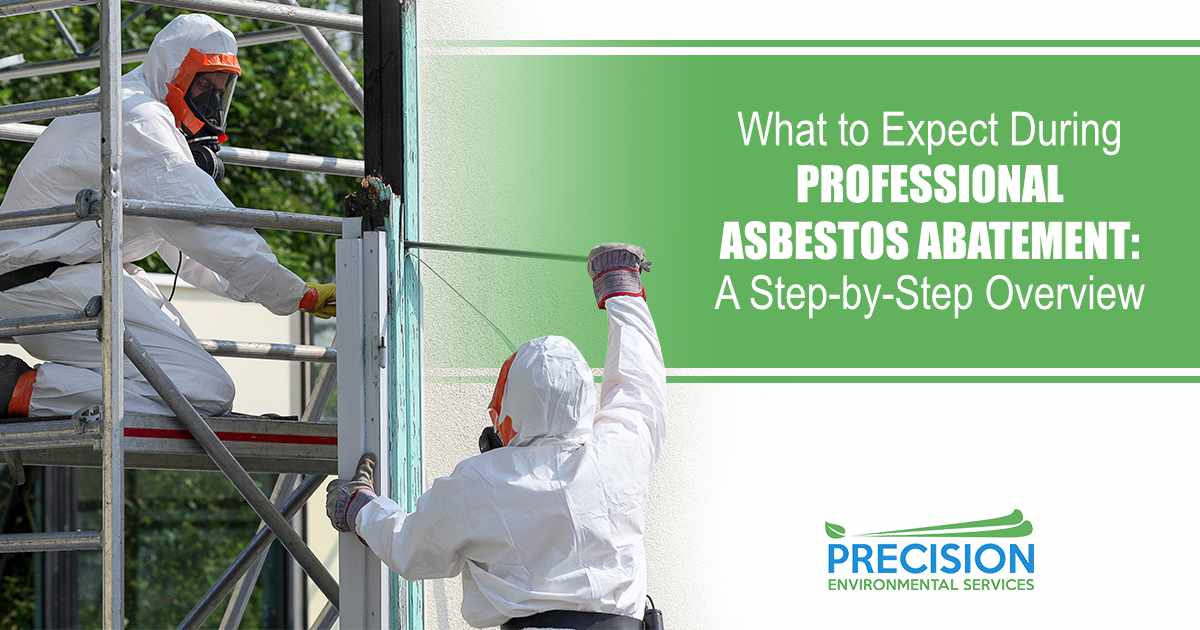
Once containment systems are in place, licensed asbestos contractors begin removal using procedures designed to minimize disturbance and control airborne fibers. Wet removal methods are commonly used to reduce dust generation and limit fiber release, while all work is performed in accordance with project specifications and regulatory requirements.
Throughout the process, workers wear specialized personal protective equipment, including respirators and protective clothing. Asbestos-containing materials are carefully removed, packaged in approved containment systems, and prepared for transport and disposal, helping reduce exposure risks and support safe project completion.
Step 5: Air Monitoring Throughout the Project
Air monitoring is an important quality-control measure during asbestos abatement projects because it helps evaluate airborne fiber levels and verify that containment systems are working effectively. Air samples may be collected within work areas, outside containment zones, or in nearby occupied spaces to assess site conditions and confirm the effectiveness of control measures.
Monitoring results help contractors and project managers identify potential issues and make adjustments as needed to maintain safe operating conditions. By continuously evaluating airborne fiber levels, professionals can support regulatory compliance, enhance project safety, and build confidence in the effectiveness of the abatement process.
Step 6: Packaging, Transporting, and Disposing of Asbestos Waste
After removal activities are completed, asbestos waste must be managed carefully to prevent fiber release during transportation and disposal. Contractors package, seal, and label waste materials using approved methods that help maintain safety and reduce the risk of accidental exposure or environmental contamination.
Asbestos disposal Texas projects require waste to be transported to approved facilities authorized to accept regulated asbestos-containing materials. Proper documentation and disposal procedures help ensure materials are handled responsibly after leaving the project site, making waste management an essential part of the abatement process.
Step 7: Final Cleaning and Post-Abatement Clearance Testing
The completion of removal activities does not mark the end of an asbestos abatement project. Contractors perform detailed cleaning procedures, including HEPA vacuuming and wet cleaning techniques, to remove any remaining dust or debris and prepare the work area for final evaluation.
Post-abatement clearance testing is typically conducted before the area is returned to normal use and may include visual inspections and air sampling to verify that project objectives have been met. Documentation generated during this phase provides records of inspections, testing, and project completion, giving property owners valuable information for future building management and compliance purposes.
Preparing for an Asbestos Abatement Project
Property owners can expect temporary disruptions during an asbestos abatement project, including restricted access to certain areas while containment systems are in place. These precautions help maintain safety, protect occupants, and support the integrity of the remediation process.
Clear communication throughout the project helps stakeholders stay informed about schedules, milestones, and expected completion dates. By following contractor instructions and understanding temporary site procedures, property owners and occupants can help ensure a smoother project experience and better overall coordination.
Frequently Asked Questions About Asbestos Abatement
How long does an asbestos abatement project usually take?
Project timelines vary depending on the size of the affected area, the type of materials involved, and project complexity. Smaller projects may be completed within a few days, while larger commercial projects can take significantly longer. Project planning and clearance testing requirements also influence overall duration.
Can occupants remain in a building during asbestos abatement?
The answer depends on the location and scope of the work. Some projects allow portions of a building to remain occupied while containment measures isolate affected areas. Contractors evaluate site conditions and provide guidance based on project-specific factors.
Is air testing required after asbestos removal?
Many projects include post-abatement clearance testing to verify that work has been completed appropriately. Testing requirements may vary depending on project specifications and applicable regulations. Clearance procedures provide additional assurance that the area is ready for reoccupation.
What happens if additional asbestos is discovered?
Unexpected discoveries can occur during renovation or demolition activities. Additional assessment and project modifications may be necessary to address newly identified materials. Contractors typically communicate findings and discuss next steps before proceeding.
Need More Information About Asbestos Remediation?
Professional asbestos abatement follows a structured process designed to manage asbestos-containing materials safely and responsibly. From initial surveys and project planning to containment, removal, air monitoring, waste disposal, and clearance testing, each phase serves a specific purpose within the overall project. Licensed professionals follow established procedures intended to protect workers, occupants, and the environment.
Every asbestos project presents unique conditions, but the goal remains the same: protecting occupants, workers, and property during the remediation process. Learn more about professional asbestos removal and remediation and the steps involved in managing asbestos-containing materials safely.