



 Open Monday to Friday
Phase I Environmental Site Assessment (ESA)
Get Estimate
What Is a Phase I ESA?
A Phase I Environmental Site Assessment is a non-invasive investigation that identifies potential or existing environmental contamination at a commercial, industrial, or other non-residential property. It reviews how the property and its surroundings have been used over time, and whether past or present activities may have affected soil, groundwater, or buildings.
Our Phase I ESAs follow the ASTM E1527-21 standard, which the U.S. EPA recognizes as meeting the “All Appropriate Inquiries” requirement under federal law. The goal is to identify Recognized Environmental Conditions (RECs): the presence or likely presence of hazardous substances or petroleum products on a property. A Phase I relies on observation, records, and interviews. It does not involve soil, groundwater, or air sampling.
Learn more about the full range of environmental consulting and assessment services on our Environmental Services page.
Who Needs a Phase I ESA and When
A Phase I ESA is a standard part of due diligence for commercial real estate. You may need one if you are:
- A commercial buyer: evaluating a property before closing so you know what you are acquiring.
- Seeking a loan: many lenders, including those financing SBA loans, require a Phase I ESA before approving commercial real estate financing.
- Refinancing: lenders may request a current assessment when refinancing an existing commercial property.
- A developer: confirming site conditions before committing to construction, redevelopment, or a change of use.
- A landlord or property owner: documenting baseline conditions or responding to a tenant, lender, or buyer request.
A Phase I ESA is also the foundation of important legal protections. Under the federal Superfund law (CERCLA), current owners and operators can be held responsible for cleanup of contamination, even if they did not cause it. Completing all appropriate inquiries before acquiring a property is a required step to qualify for landowner liability protections, including the innocent landowner defense, the bona fide prospective purchaser defense, and the contiguous property owner defense. A compliant Phase I ESA is how that inquiry is documented.
Timing matters. The assessment should be completed before you take title, ideally early in your due diligence period, so any findings can inform your decision, price, or negotiations.
What Our Phase I Includes
Every Phase I ESA we perform covers the components required by ASTM E1527-21:
- Site reconnaissance: a walk-through of the property and a visual review of adjoining properties, looking for storage tanks, drains, staining, stressed vegetation, chemical storage, and other signs of potential contamination.
- Historical and property records research: review of aerial photographs, fire insurance maps, city directories, topographic maps, deed and title information, and prior environmental reports to understand past uses of the site.
- Regulatory database review: a search of federal, state, and local environmental databases for the property and nearby sites, including spills, leaking tanks, hazardous waste generators, and cleanup sites.
- Interviews: conversations with the owner, occupants, site managers, and local officials who may know about the property’s history and operations.
- Final report: a written report documenting our findings, identifying any RECs, and presenting our conclusions and opinions so you can make an informed decision.
Our Process and Timeline
- Request and scoping – You tell us about the property and the purpose of the assessment, and we confirm the scope, any lender requirements, and the schedule.
- Authorization and information gathering – We collect the property details and any prior reports, and arrange site access and interviews.
- Records and database research – We review historical sources, property records, and regulatory databases. Thorough records research up front is what allows us to deliver reports efficiently and with fewer surprises.
- Site reconnaissance – An experienced environmental professional visits the property and documents current conditions.
- Analysis and report preparation – We evaluate everything we have found, identify any RECs, and prepare the report.
- Final report delivery – You receive the completed report, and we are available to walk you through the findings and next steps.
Turnaround depends on the property, how quickly records and site access are available, and your closing schedule. Contact us with your deadline and we will let you know what is realistic.
When a Phase II May Be Needed
If a Phase I identifies a REC, the next step may be a Phase II ESA, which involves collecting soil, groundwater, or other samples to confirm whether contamination is present. Not every Phase I leads to a Phase II. Learn more about both steps on our Phase I & II ESA page.
Call us at 940-597-2673, or use the form to request an estimate.
Frequently Asked Questions
Call for an estimate!
214-888-6956
Latest News

Asbestos Testing for Homeowners: What You Need to Know Before You Renovate
Planning a home renovation often involves selecting materials, hiring contractors, and establishing a budget. However, many homeowners overlook...
Asbestos in Schools and Public Buildings: What Texas Regulations Require
Many schools and public buildings across Texas were constructed before asbestos-containing materials were heavily regulated, making asbestos...
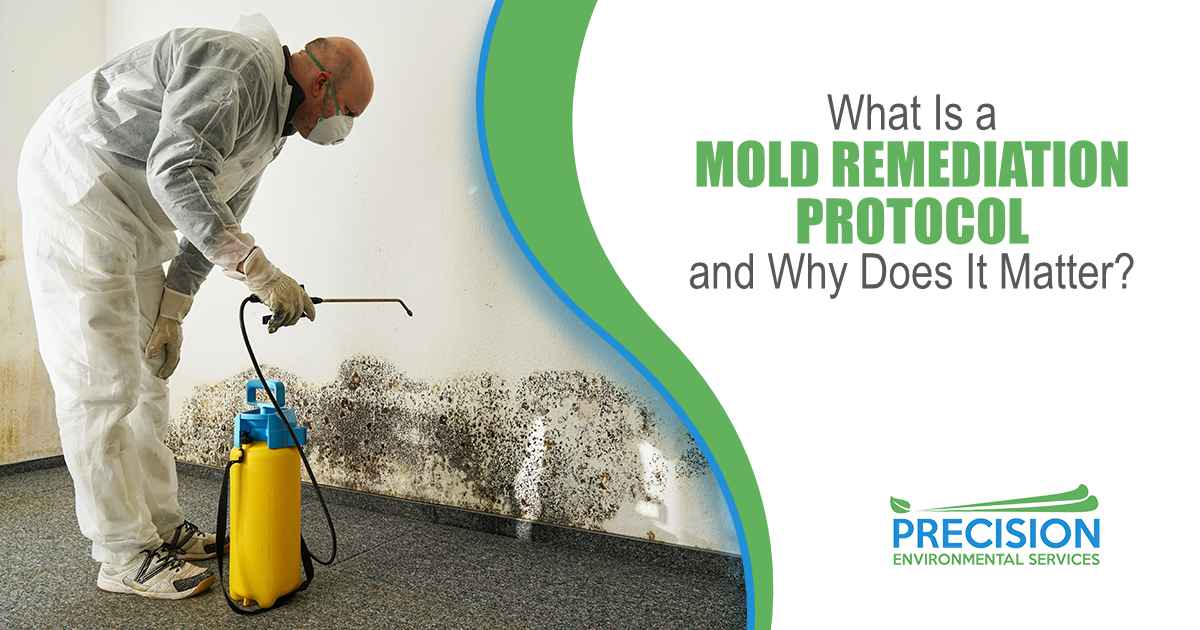
What Is a Mold Remediation Protocol and Why Does It Matter?
Mold contamination can affect residential, commercial, and institutional properties after water intrusion or prolonged moisture exposure. While many...