



 Open Monday to Friday
Mold Remediation
Get Estimate
Mold Remediation
Mold remediation is the process of addressing mold contamination and the conditions that allow mold growth to persist. Depending on the affected materials and the extent of contamination, remediation may involve containment, removal of affected materials, cleaning, and addressing moisture-related conditions.
Precision Environmental Services does not directly perform physical mold removal or remediation. However, PES can help clients understand the remediation process and connect them with appropriate professionals who handle this type of work.
The appropriate remediation approach depends on the location and extent of the affected materials, the conditions contributing to mold growth, and the characteristics of the affected environment.
What Is Mold Remediation?
Mold remediation is a structured process for addressing mold contamination within an indoor environment. Rather than focusing only on visible mold, remediation considers affected materials and environmental conditions that may contribute to continued or recurring mold growth.
The process can involve containing affected areas, removing materials that cannot be effectively cleaned, and cleaning or treating materials that can remain in place. Moisture-related conditions must also be considered because unresolved moisture can contribute to recurring mold growth.
The specific methods depend on the conditions identified, the materials involved, and the scope of the remediation project.
How Mold Remediation Works
Mold remediation generally involves several steps to address affected materials and conditions associated with mold growth. The approach depends on the extent of contamination, the materials involved, and the source of moisture.
A typical remediation process may include evaluating the affected areas, establishing containment when necessary, removing materials that cannot be effectively cleaned, and addressing surfaces that can be retained.
Evaluating Affected Areas
Before remediation begins, the affected areas and surrounding conditions need to be evaluated to determine the scope of the work. Visible mold, water damage, moisture conditions, affected materials, and areas of suspected contamination can provide information about the conditions that need to be addressed.
The evaluation helps distinguish areas requiring remediation from surrounding areas that may not show the same conditions. The scope of work depends on the findings and the accessibility of the affected materials.
Containing Affected Areas
Containment may be used to separate affected work areas from other portions of an indoor environment. Its purpose is to help manage the work area and reduce the potential for disturbing affected materials during remediation.
The need for containment and the methods used depend on the conditions present and the scope of the project. Appropriate procedures should reflect the characteristics of the affected area and the materials involved.
Removing Affected Materials
Some materials affected by mold may require removal when they cannot be effectively cleaned or restored. Materials such as drywall, carpeting, or other building components may need to be removed depending on their condition and the extent of contamination.
The decision to remove a material depends on whether it can be appropriately addressed through cleaning or other remediation methods. Removing affected materials without addressing the underlying moisture conditions may not resolve the factors contributing to mold growth.
Cleaning and Treating Affected Materials
Materials that can remain in place may be cleaned or treated using methods appropriate for the material and the conditions identified. The objective is to address the identified mold contamination while limiting unnecessary damage to materials that can be retained.
The appropriate cleaning or treatment method depends on the type of material, its condition, and the extent of the affected area. Some remediation projects may also use specialized air filtration equipment, such as HEPA filtration, as part of managing airborne particles during the work.
Addressing Moisture During Mold Remediation
Moisture is an important consideration during mold remediation because persistent moisture can support continued mold growth. Leaks, flooding, water intrusion, condensation, persistent dampness, and elevated humidity can contribute to conditions in which mold develops.
Remediation planning should consider moisture-related conditions associated with the affected area. Corrective work may involve repairing leaks, addressing water intrusion, improving ventilation, or taking other steps to reduce persistent moisture.
Simply removing visible mold without considering the source of moisture may leave conditions that support future growth. Addressing contributing environmental conditions is therefore an important part of determining the appropriate remediation approach.
Mold Remediation After Water Damage
Water intrusion and flooding can introduce moisture into building materials and concealed areas. If materials remain damp for an extended period, conditions may develop that support mold growth.
When mold is identified following water damage, remediation may involve evaluating affected materials, addressing moisture conditions, and determining which materials can be cleaned or retained and which may require removal.
The appropriate response depends on the extent of the water damage and the conditions that remain after the initial event. Areas with previous water intrusion may require further evaluation when visible mold or other signs of mold contamination are present.
Signs That Mold Remediation May Be Needed
Certain conditions may indicate that further evaluation and potential remediation should be considered. These signs do not independently establish the extent of mold contamination, but they can help identify areas that may need attention.
Common indicators include:
- Musty or earthy odors: Persistent odors may indicate a moisture or mold concern that requires further investigation.
- Visible mold growth: Discoloration or patches on walls, ceilings, flooring, or other materials may warrant evaluation.
- Water damage: Leaks, flooding, roof damage, or plumbing problems can create conditions that support mold growth.
- Deteriorating materials: Peeling paint, damaged drywall, or deteriorating wood may indicate previous or ongoing moisture exposure.
- Recurring mold concerns: Mold that returns after surface cleaning may indicate that underlying moisture conditions have not been addressed.
When these signs are present, the affected areas and surrounding conditions may need to be evaluated to determine whether remediation is appropriate.
When Mold Remediation May Be Appropriate
Mold remediation may be considered when mold contamination has been identified and corrective work is needed to address affected materials or environmental conditions.
Situations that may require remediation include:
- Visible mold contamination affecting building materials
- Mold growth associated with previous water damage
- Persistent moisture conditions contributing to mold growth
- Mold contamination following a leak or flooding event
- Affected materials that require cleaning, treatment, or removal
- Conditions requiring corrective work following an evaluation of suspected mold
Not every suspected mold condition requires the same remediation approach. The appropriate work should be based on the extent of the affected area, the materials involved, moisture conditions, and other findings relevant to the environment.
Mold Remediation and Moisture Control
Mold remediation addresses existing mold contamination, while moisture control addresses conditions that may support continued mold growth. These considerations are closely related when evaluating the long-term condition of an affected area.
Water leaks, flooding, condensation, and persistent humidity can create or maintain conditions favorable to mold growth. Identifying these contributing conditions can help inform the corrective work required as part of the remediation process.
Where moisture conditions remain unresolved, mold may continue to develop even after affected materials have been cleaned or removed. Remediation planning should therefore account for the environmental conditions associated with the mold concern.
Post-Remediation Evaluation
After remediation work is completed, the affected area may be evaluated to determine whether the identified remediation objectives have been addressed. A post-remediation evaluation can consider the condition of the affected area and whether visible mold or other identified concerns remain.
Depending on the circumstances, post-remediation evaluation may also involve sampling and laboratory analysis. When testing is used as part of a clearance process, the results can provide additional information about the conditions represented by the collected samples.
Inspection, testing, and physical remediation are distinct activities. The appropriate evaluation approach depends on the project and the information needed after the work has been completed.
Understanding the Mold Remediation Process
Mold remediation is not limited to removing visible mold. An appropriate approach considers the affected materials, the extent of contamination, moisture conditions, and the methods needed to address the specific environment.
Each remediation situation can involve different materials and environmental conditions. The scope of work should therefore be based on the findings associated with the affected area rather than assuming that a single method is appropriate for every situation.
Understanding the process can help property owners make informed decisions about the work required. Precision Environmental Services can help clients understand mold-related concerns and connect them with appropriate remediation professionals when physical remediation is needed.
Professional Mold Remediation
Professional mold remediation involves addressing the conditions associated with mold contamination through methods appropriate for the affected materials and environment. The process can include containment, removal, cleaning, treatment, moisture-related corrective work, and post-remediation evaluation when appropriate.
The professional responsible for the physical remediation should determine the methods and procedures appropriate for the project. The scope of work depends on the affected materials, the extent of contamination, and the environmental conditions.
Precision Environmental Services does not directly perform physical mold remediation. Instead, PES can help clients understand the remediation process and provide referrals to professionals who handle mold removal and remediation work.
Learn More About Mold Remediation
Mold remediation addresses identified mold contamination, affected materials, and environmental conditions that may contribute to continued mold growth. The process can involve containment, removal, cleaning or treatment, moisture-related corrective work, and post-remediation evaluation when appropriate.
Visit the Mold Services page to learn how mold remediation fits within the broader range of services used to evaluate and address suspected mold conditions.
Discuss Mold Remediation
Contact Precision Environmental Services to discuss suspected mold contamination, understand potential remediation needs, and ask about referrals to appropriate remediation professionals.
Call us at 940-597-2673, or use the form to request an estimate.
Call for an estimate!
214-888-6956
Latest News
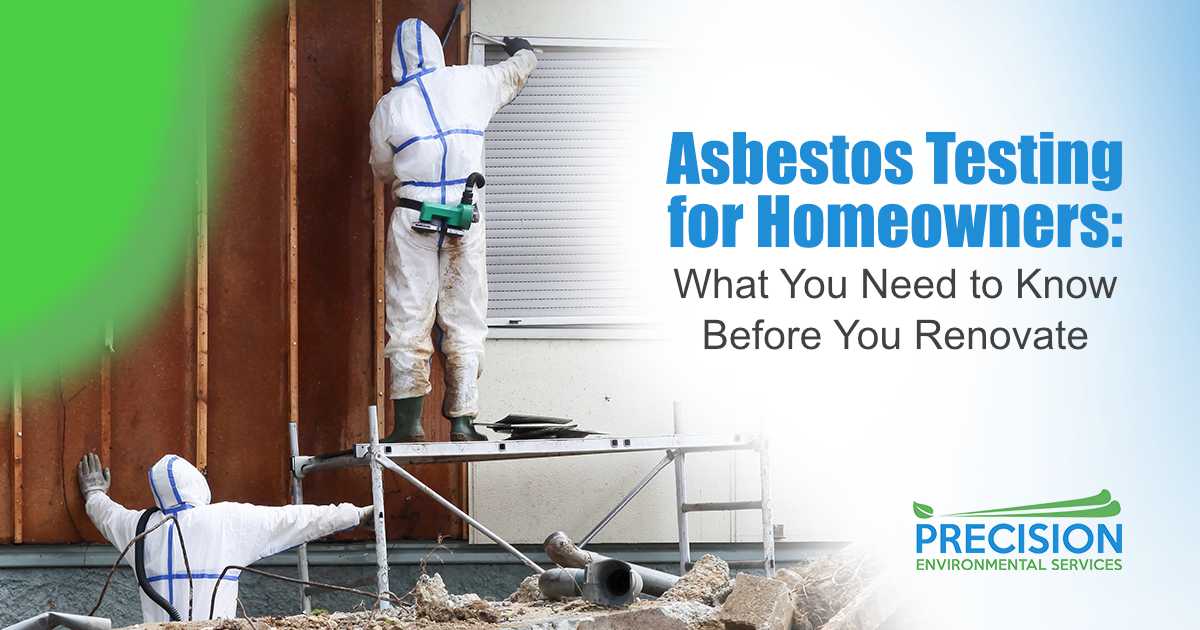
Asbestos Testing for Homeowners: What You Need to Know Before You Renovate
Planning a home renovation often involves selecting materials, hiring contractors, and establishing a budget. However, many homeowners overlook...
Asbestos in Schools and Public Buildings: What Texas Regulations Require
Many schools and public buildings across Texas were constructed before asbestos-containing materials were heavily regulated, making asbestos...
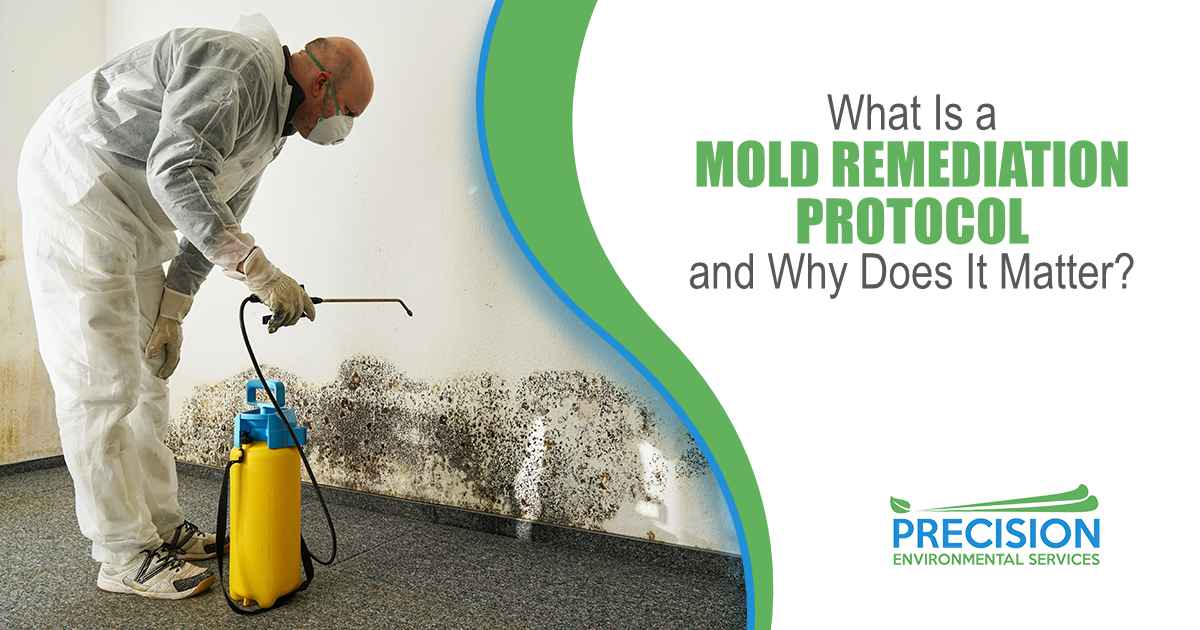
What Is a Mold Remediation Protocol and Why Does It Matter?
Mold contamination can affect residential, commercial, and institutional properties after water intrusion or prolonged moisture exposure. While many...