



 Open Monday to Friday
LEED Indoor Air Quality (IAQ) Testing
Get Estimate
LEED Indoor Air Quality (IAQ) Testing
Indoor air quality is an important consideration when preparing a newly constructed or renovated building for occupancy. Construction materials, adhesives, paints, finishes, and furnishings can release airborne pollutants that remain present after work is completed. LEED indoor air quality testing helps project teams evaluate indoor air conditions before occupants move into a building and supports the documentation process for applicable green building requirements.
Precision Environmental Services provides pre-occupancy and post-construction indoor air quality (IAQ) sampling to help evaluate potential airborne contaminants. Testing provides information about indoor environmental conditions so building owners, contractors, facility managers, and project teams can make informed decisions before a space is occupied.
What Is LEED IAQ Testing?
LEED IAQ testing involves collecting and analyzing air samples to evaluate indoor air quality in accordance with the requirements applicable to a building project. For new construction and major renovations, testing may be conducted after construction activities are complete and before occupants move into the space.
Construction and finishing materials can release volatile organic compounds (VOCs) and other airborne pollutants. Dust and particulate matter may also remain in the building after construction or renovation work. These contaminants are not always detectable through a visual inspection or by odor alone.
Pre-occupancy air quality sampling provides information about selected pollutants in the indoor environment. Depending on the project’s LEED rating system, version, and applicable requirements, testing results may support the project’s indoor environmental quality documentation.
The required testing procedures and acceptance criteria should be established for the specific project before sampling begins. IAQ testing supports the evaluation process but does not independently guarantee a LEED credit or certification.
Who Needs LEED Indoor Air Quality Testing?
LEED and pre-occupancy IAQ testing can be useful for projects preparing a building or renovated space for occupancy. Testing may be considered for:
- New green buildings: Construction teams preparing newly completed buildings for occupancy may need indoor air quality data for project documentation.
- LEED-certified projects: Project teams pursuing applicable LEED requirements may need air sampling and supporting documentation as part of their assessment process.
- Major renovations: Renovation work can introduce dust, chemical emissions, and other airborne contaminants that should be evaluated before occupants return.
- Commercial tenant improvements: Businesses moving into newly built or renovated offices may want to evaluate indoor air quality before employees begin working in the space.
- Building owners and facility managers: Property teams can use testing results to better understand indoor environmental conditions before opening or reoccupying a building.
Testing requirements vary by project. The appropriate sampling approach depends on the applicable rating system, construction activities, materials used, and project documentation needs.
What Does LEED IAQ Testing Measure?
Indoor air quality testing can evaluate selected airborne contaminants associated with construction materials, finishes, furnishings, and other indoor sources. The compounds and measurements included in a project should be selected according to the applicable testing protocol and project requirements.
Potential measurements may include:
- Total volatile organic compounds (TVOCs): A broad measurement of volatile organic compounds that may be released by paints, adhesives, flooring, furnishings, and other building materials.
- Total particulates: Airborne particles that may remain after construction, sanding, demolition, or other building activities.
- Formaldehyde: A chemical that can be released by certain building products, furnishings, and composite wood materials.
- Carbon monoxide and carbon dioxide: Gases that may be evaluated as part of an indoor environmental assessment, depending on the project scope.
- Other selected compounds: Additional gases or pollutants may be included when required by the applicable protocol or project conditions.
The final analyte list must be confirmed for each project. Not every measurement is required for every LEED rating system or IAQ testing protocol, and the list above should not be interpreted as a complete or guaranteed testing package.
Our LEED IAQ Testing Process
Precision Environmental Services provides indoor air quality sampling and laboratory analysis to help clients evaluate conditions in newly constructed or renovated spaces. The process begins with understanding the project requirements and identifying the appropriate testing scope.
1. Review Project Requirements
The project team identifies the applicable LEED rating system, testing requirements, construction status, and documentation needs. Sampling parameters and the testing schedule should be established before fieldwork begins.
2. Schedule Pre-Occupancy Sampling
Testing is coordinated with the project team once the space is ready for assessment under the applicable protocol. Construction completion, building conditions, ventilation operation, and other protocol-specific requirements may affect when sampling can take place.
3. Collect Air Samples
Samples are collected from selected areas using appropriate sampling equipment and procedures. Precision Environmental Services’ existing IAQ testing procedures describe fixed-gas sampling with low-volume SUMMA canisters over a sampling period determined by the applicable method. The sampling method and duration depend on the compounds being measured and the project requirements.
4. Arrange Laboratory Analysis
Collected samples are submitted for laboratory analysis. Precision Environmental Services’ existing IAQ service describes using a laboratory recognized and accredited by the Texas Commission on Environmental Quality under NELAP for its applicable analyses. The laboratory and analytical methods should be confirmed for the specific project.
5. Review Results and Documentation
The results provide information about the measured contaminants and their concentrations. The findings can help the project team determine whether additional evaluation or corrective action is warranted and support the applicable project documentation process.
The required report format and supporting records should be confirmed before testing so the results can be prepared for the intended use.
Pre-Occupancy vs. Post-Occupancy IAQ Testing
Pre-occupancy and post-occupancy testing evaluate indoor air quality at different stages of a building’s use.
Pre-occupancy IAQ testing takes place before occupants move into a newly constructed or renovated space. It can help identify selected airborne contaminants associated with construction materials, finishes, and furnishings before the building enters regular use.
Post-occupancy IAQ testing evaluates indoor air quality after a building is in use. It may be appropriate when occupants report air quality concerns, ventilation conditions change, or building owners need to investigate potential indoor pollutants. For certain existing buildings, separate LEED Operations and Maintenance requirements may apply.
The appropriate testing approach depends on the building’s stage of use and the objective of the assessment. Pre-occupancy sampling for a construction project should not automatically be treated as equivalent to post-occupancy testing under a different LEED program.
Frequently Asked Questions
When should LEED IAQ testing be scheduled?
Testing should be scheduled according to the applicable LEED requirements and project timeline. For pre-occupancy sampling, the project team should confirm that construction activities and building conditions meet the requirements of the selected testing protocol before scheduling fieldwork.
What happens if test results identify elevated contaminant levels?
Elevated results may indicate that further evaluation or corrective action is needed. Depending on the findings, the project team may consider reviewing potential pollutant sources, ventilation, filtration, or cleaning procedures before arranging additional testing. Any follow-up should be based on the test results and applicable project requirements.
Does LEED IAQ testing guarantee a LEED credit?
No. Testing provides information that may support the applicable indoor environmental quality requirements. Credit eligibility depends on the project’s rating system, the relevant criteria, the testing procedures, and the overall documentation submitted for review.
Can testing be performed before a business moves into a renovated office?
Pre-occupancy testing may be appropriate after renovation work is complete and the space meets the conditions required by the selected protocol. The project team should confirm the timing and sampling requirements before scheduling.
Is documentation available for LEED project submissions?
Testing reports and supporting records may be used in the project documentation process. Before testing begins, the project team should confirm the specific reporting format, analytical requirements, and supporting documentation needed for its LEED submission.
Request a LEED IAQ Testing Quote
Evaluating indoor air quality before occupancy can help project teams understand the conditions within a newly constructed or renovated building. Precision Environmental Services provides pre-occupancy and post-construction IAQ sampling to help assess selected airborne contaminants and support informed project decisions.
Contact Precision Environmental Services to discuss the project’s testing requirements, sampling scope, and documentation needs.
Request a LEED IAQ testing quote to discuss your project.
Call us at 940-597-2673, or use the form to request an estimate.
Call for an estimate!
214-888-6956
Latest News
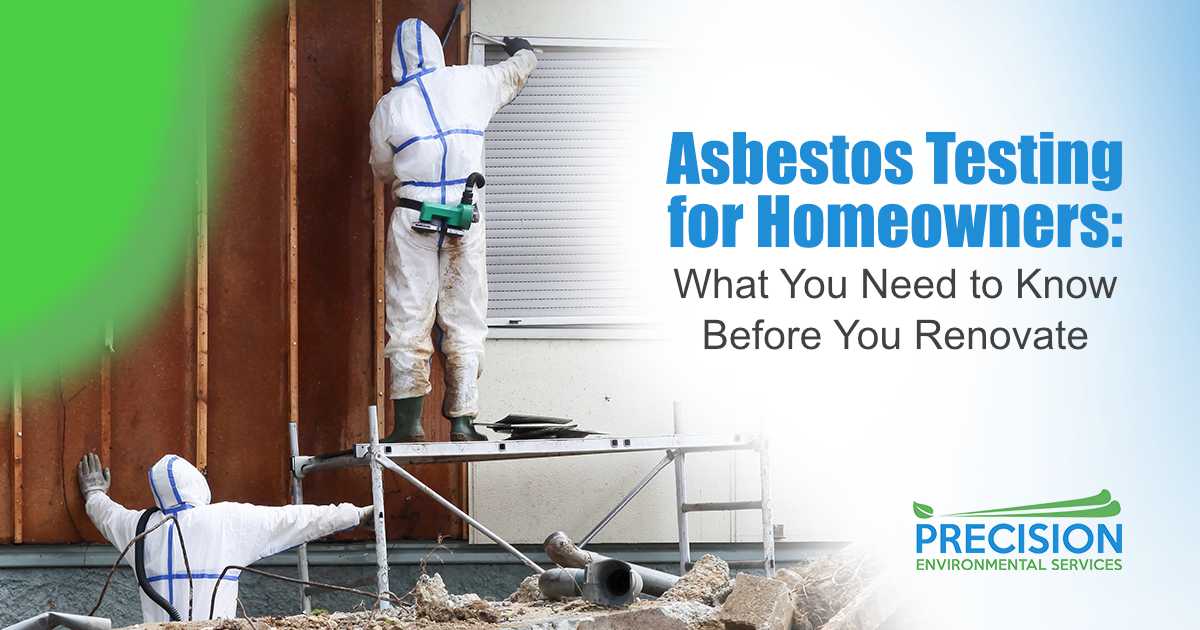
Asbestos Testing for Homeowners: What You Need to Know Before You Renovate
Planning a home renovation often involves selecting materials, hiring contractors, and establishing a budget. However, many homeowners overlook...
Asbestos in Schools and Public Buildings: What Texas Regulations Require
Many schools and public buildings across Texas were constructed before asbestos-containing materials were heavily regulated, making asbestos...
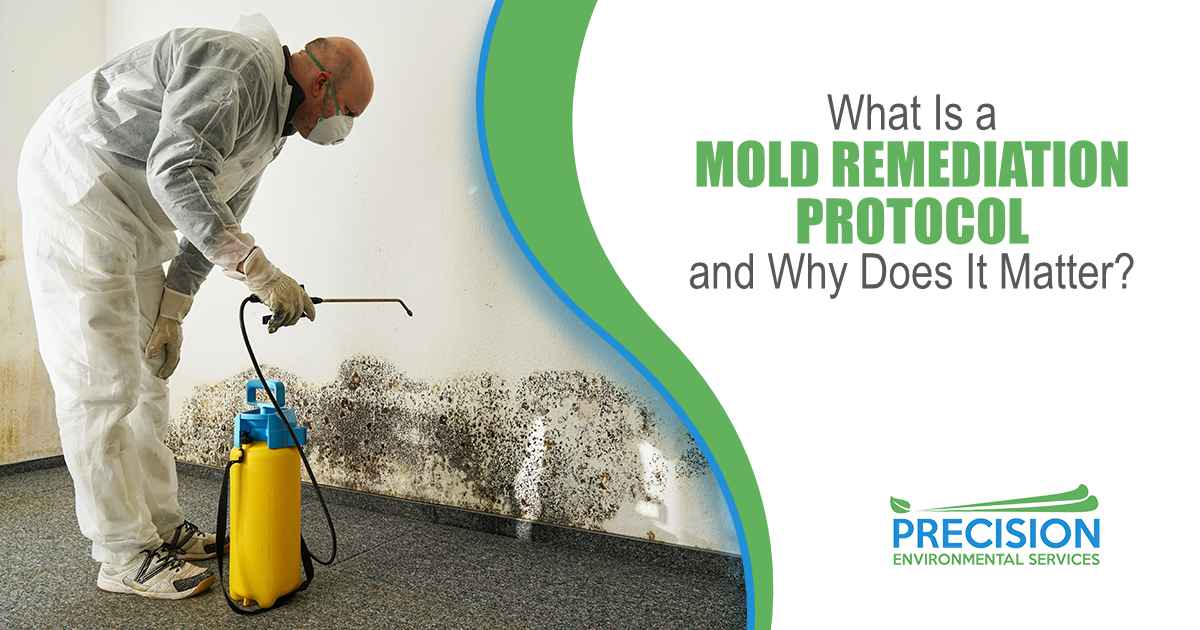
What Is a Mold Remediation Protocol and Why Does It Matter?
Mold contamination can affect residential, commercial, and institutional properties after water intrusion or prolonged moisture exposure. While many...