



 Open Monday to Friday
Asbestos Inspection
Get Estimate
Asbestos Inspection
An asbestos inspection is a specialized assessment used to identify and evaluate building materials that may contain asbestos. It helps property owners and project teams understand which areas and materials may require further attention before renovation, demolition, or other work that could disturb existing building components.
Precision Environmental Services provides professional asbestos inspection services performed by licensed inspectors. The scope of an inspection depends on the building, the condition of its materials, and the planned work. Inspection findings provide documented information that can help determine whether additional evaluation or asbestos-related project planning may be necessary.
What Is an Asbestos Inspection?
An asbestos inspection focuses on identifying and evaluating building materials that may contain asbestos. Unlike a general home or property inspection, which considers a building’s overall condition, an asbestos inspection concentrates on suspect materials and areas relevant to potential asbestos concerns.
Asbestos was historically used in a variety of construction products, including insulation, flooring, ceiling materials, roofing products, joint compounds, ductwork, and fireproofing. The materials present in a building can vary according to its construction history, previous renovations, and the products originally installed.
An inspection helps establish which materials and areas require attention. Because asbestos cannot reliably be identified by appearance alone, further evaluation or laboratory testing may be necessary to determine whether suspect materials contain asbestos.
When an Asbestos Inspection May Be Needed
An asbestos inspection may be appropriate when planned work could disturb existing building materials or when information about potential asbestos-containing materials is needed before a project proceeds.
Common situations include:
- Renovation and remodeling: Evaluating materials in areas scheduled for alterations, repairs, or construction.
- Demolition: Identifying asbestos-related concerns before a building or part of a structure is demolished.
- Building maintenance: Assessing suspect materials that may be affected by planned maintenance or repairs.
- Damaged materials: Evaluating materials that have deteriorated or been disturbed.
- Property evaluation: Obtaining information about suspect materials during certain property transactions or due diligence activities.
- Project planning: Establishing which areas may require further assessment before work begins.
The appropriate inspection scope depends on the planned activities, the building’s characteristics, and applicable project requirements. Identifying potential concerns early helps project teams account for them before construction activities begin.
How an Asbestos Inspection Works
The inspection process is designed to evaluate the building and document findings relevant to the property’s asbestos-related concerns. The specific scope depends on the areas being assessed and the purpose of the inspection.
Initial Building Assessment
The inspection begins with consideration of the building, its construction history where available, and the work being planned. The inspector evaluates relevant areas and building components to determine which materials may require closer attention.
This initial assessment helps establish the scope of the inspection and focuses the evaluation on materials that could be affected by the planned activities.
Evaluation of Suspect Materials
The inspector examines building materials that may contain asbestos and considers their location, condition, and relevance to the project. Suspect materials may include flooring, insulation, ceiling products, wall materials, roofing products, and components associated with mechanical systems.
Visual appearance alone cannot reliably confirm whether a material contains asbestos. Materials that require confirmation may need appropriate sampling and laboratory analysis.
Further Evaluation Where Needed
When additional information is required, representative samples of selected materials may be collected and submitted for laboratory analysis. The findings help establish whether the sampled materials contain asbestos.
Detailed laboratory methods and the interpretation of individual sample results are addressed through the testing process. The inspection uses relevant findings to support an understanding of the building and the project areas being evaluated.
Inspection Reporting
The inspection findings are compiled into documentation that records relevant information about the assessment. Depending on the scope, the report may describe the areas evaluated, suspect materials identified, material conditions, associated laboratory findings, and recommendations for further consideration.
This documentation gives property owners, contractors, facility managers, and other project stakeholders a reference for understanding the inspection findings before work proceeds.
Building Materials Evaluated During an Asbestos Inspection
The materials requiring evaluation depend on the building, its construction history, previous alterations, and the scope of the planned work.
Examples of materials that may be evaluated include:
- Insulation and insulation boards.
- Floor tiles and vinyl flooring.
- Ceiling tiles and textured ceiling materials.
- Drywall and related compounds.
- Roofing materials.
- Pipe and duct insulation.
- Mastics and adhesives.
- Spray-applied fireproofing.
- Other building components that may contain asbestos.
The presence of a suspect material does not establish that it contains asbestos. An inspection helps identify materials requiring attention, while appropriate testing can establish whether sampled materials contain asbestos.
What to Expect During an Asbestos Inspection
The inspection scope is determined by the building and the purpose of the assessment. The inspector evaluates relevant materials and areas, documents observations, and determines whether additional evaluation may be needed.
The extent of the work can vary according to the property’s size, the number and types of suspect materials, accessibility, and the planned project activities. Some inspections may focus on a defined renovation area, while others may require assessment of a broader portion of the building.
Property owners and project teams should communicate the intended scope of work and provide relevant building information where available. This helps the inspection address the areas and materials that matter to the project.
Understanding Asbestos Inspection Findings
Inspection findings provide information about the materials and areas evaluated. The report may identify suspect materials, describe their condition, record relevant observations, and include associated laboratory results when samples have been analyzed.
The findings should be interpreted in relation to the inspection scope. A report covering a defined area does not automatically establish the status of every material throughout the building.
When asbestos is confirmed in a sampled material, the project team can use the findings to consider appropriate management or further action. When the inspection identifies materials that have not been tested, additional evaluation may be necessary before decisions are made about disturbing them.
What Happens After an Asbestos Inspection?
The appropriate next step depends on the inspection findings, the condition and location of the materials, and the planned project activities.
Depending on the circumstances, the next step may involve additional testing, further assessment, management of materials that remain in place, or planning for appropriate abatement-related measures before the materials are disturbed.
An inspection does not automatically mean that all suspect or confirmed asbestos-containing materials must be removed. The findings provide information to help property owners and project teams determine the appropriate response based on the material, the planned work, and applicable requirements.
Why Professional Asbestos Inspection Matters
Asbestos inspections require specialized assessment because suspect materials cannot reliably be identified by appearance alone. An appropriately scoped inspection helps establish which areas and materials have been evaluated and what additional information may be needed.
Precision Environmental Services provides asbestos inspection services that include licensed inspectors, evaluation of suspect materials, laboratory coordination where needed, and documentation of findings. This information can help project stakeholders understand potential asbestos concerns and plan the next steps before renovation, demolition, or other work begins.
Learn More About Asbestos Services
Asbestos inspection is one part of a broader asbestos assessment process. Learn more about Asbestos Services and how inspection, testing, surveys, and abatement-related support can contribute to project planning.
Discuss an Asbestos Inspection
Contact Precision Environmental Services to discuss an asbestos inspection and determine what assessment scope may be appropriate for the property and planned project.
Call us at 940-597-2673, or use the form to request an estimate.
Call for an estimate!
214-888-6956
Latest News
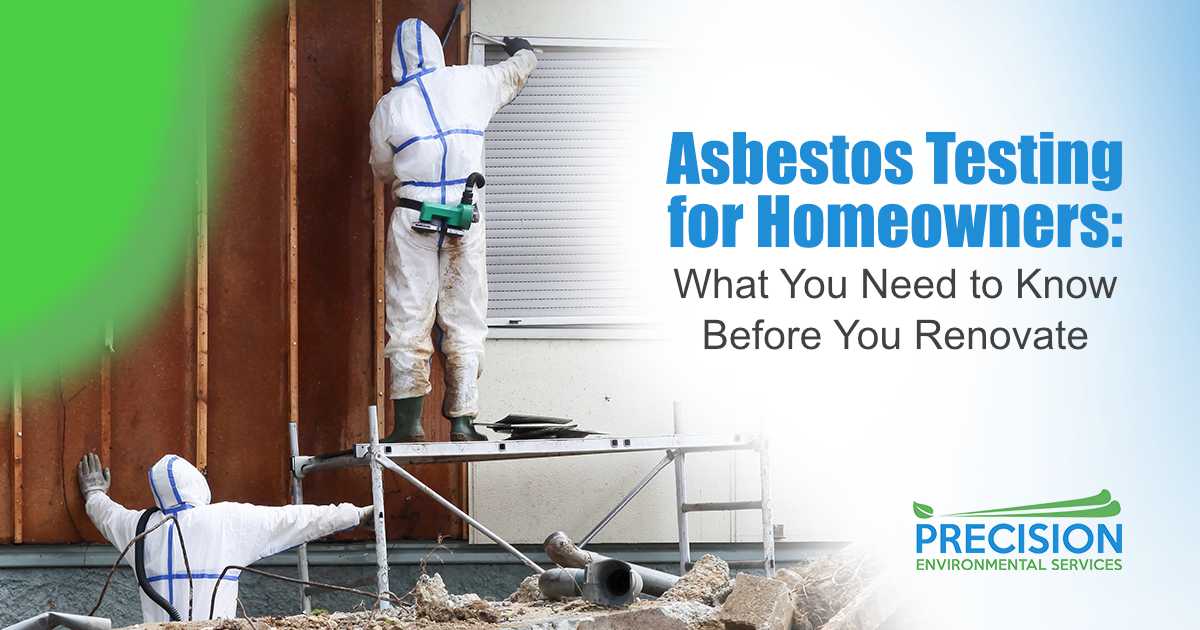
Asbestos Testing for Homeowners: What You Need to Know Before You Renovate
Planning a home renovation often involves selecting materials, hiring contractors, and establishing a budget. However, many homeowners overlook...
Asbestos in Schools and Public Buildings: What Texas Regulations Require
Many schools and public buildings across Texas were constructed before asbestos-containing materials were heavily regulated, making asbestos...
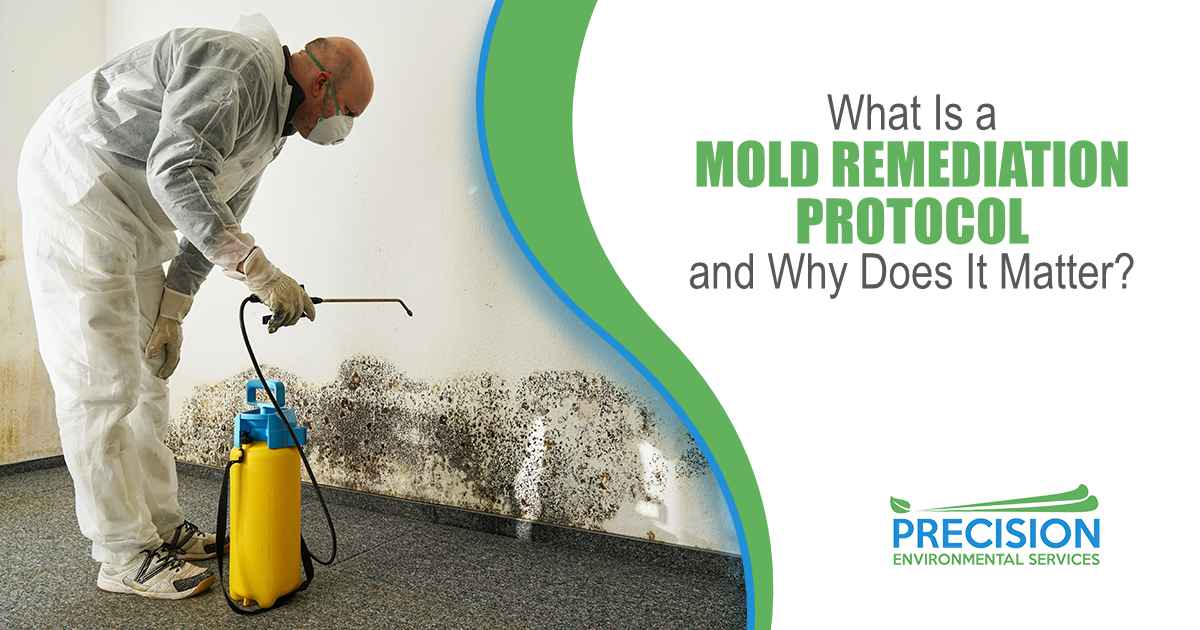
What Is a Mold Remediation Protocol and Why Does It Matter?
Mold contamination can affect residential, commercial, and institutional properties after water intrusion or prolonged moisture exposure. While many...