




News
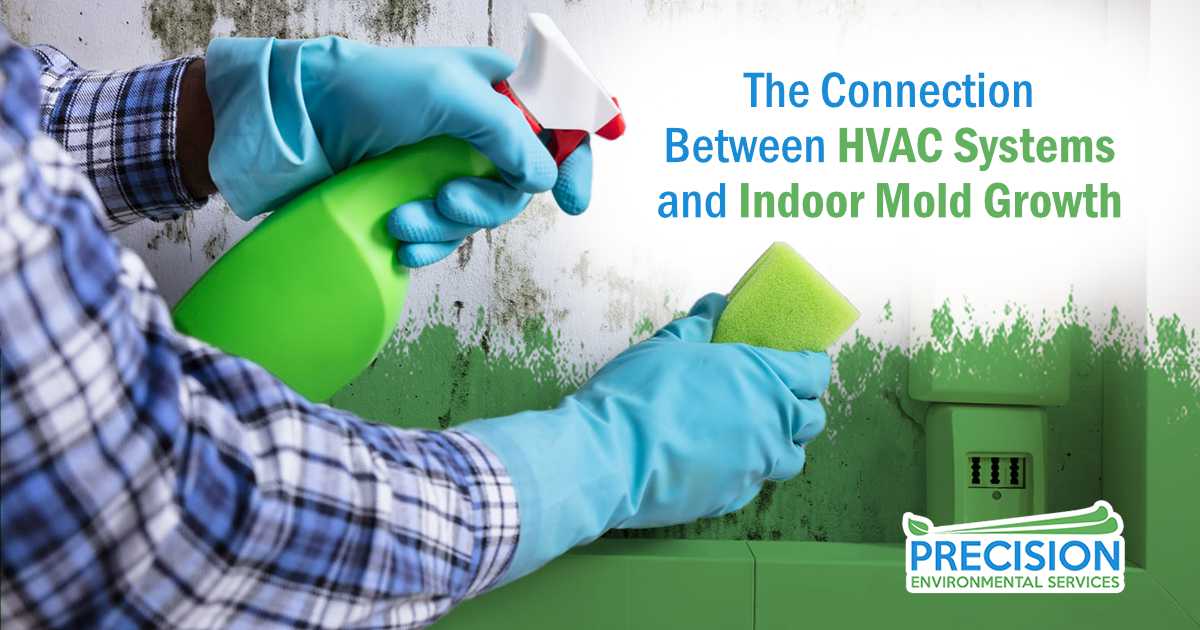
The Connection Between HVAC Systems and Indoor Mold Growth
HVAC systems are essential for maintaining indoor comfort, regulating temperature, and supporting air quality in homes and commercial properties. However, they can also become hidden sources of mold growth when moisture, poor ventilation, or accumulated debris are...
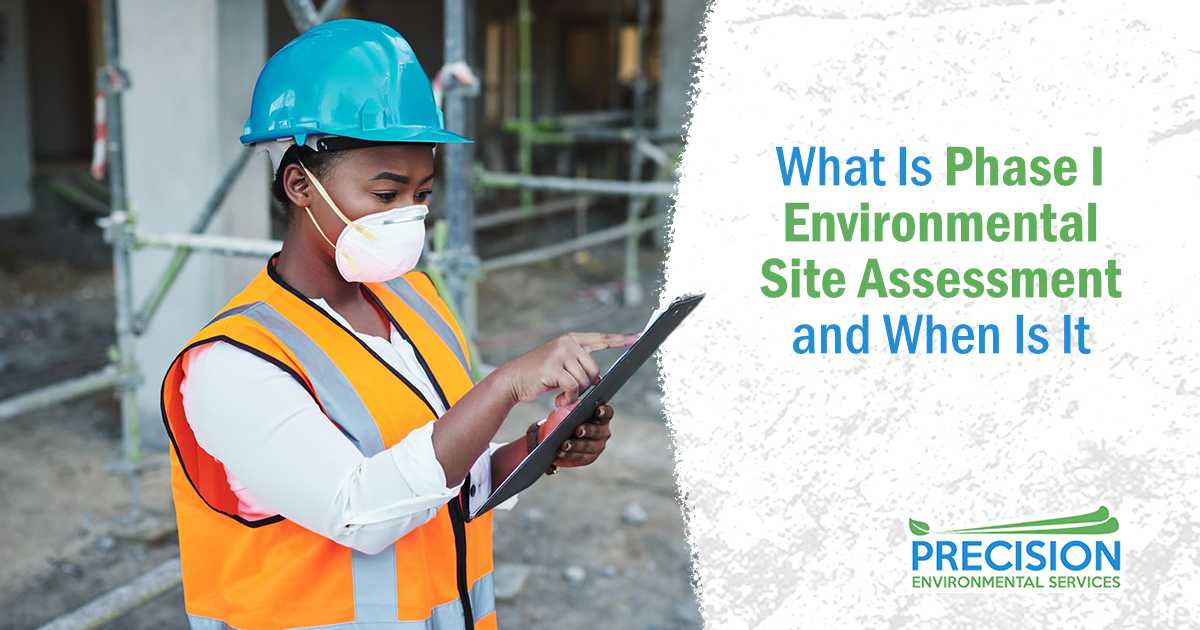
What Is a Phase I Environmental Site Assessment and When Is It Required?
A Phase I Environmental Site Assessment is a critical due diligence tool used in commercial real estate transactions. It helps buyers, lenders, and investors identify potential environmental risks associated with a property before acquisition or financing. By...
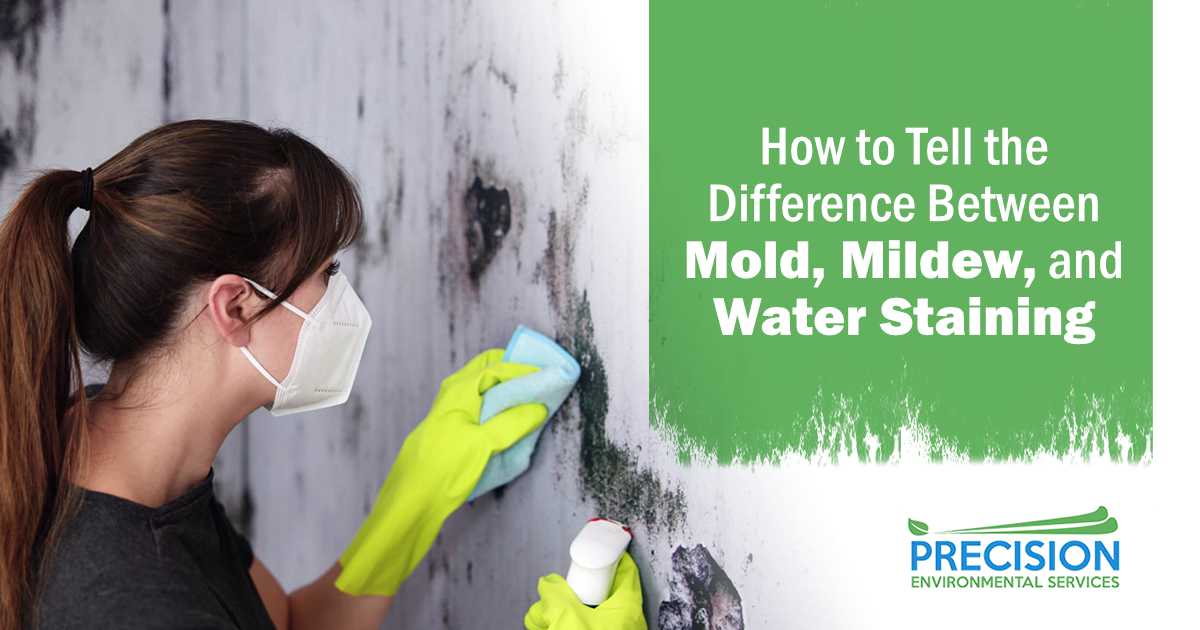
How to Tell the Difference Between Mold, Mildew, and Water Staining
Not all discoloration indoors represents a serious problem, but identifying the cause correctly is critical for maintaining a safe living or working environment. Many homeowners, renters, and property managers struggle to distinguish between mold, mildew, and water...
How Asbestos Lurks in Unexpected Places During Home Remodels
Many Texas homes built before the 1980s still contain asbestos in materials that are easy to overlook. Homeowners, house flippers, and contractors often encounter asbestos in flooring, ceilings, insulation, and drywall during renovations. Disturbing these materials...
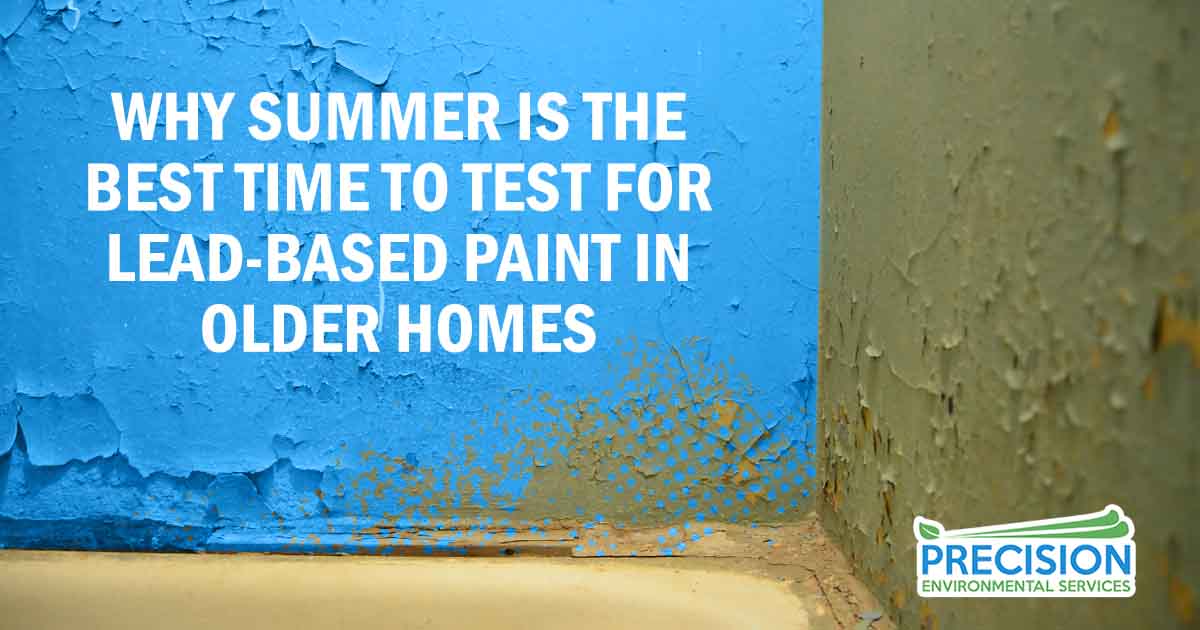
Why Summer Is the Best Time to Test for Lead-Based Paint in Older Homes
Homeowners considering summer renovations should prioritize lead-based paint testing in older homes, especially those built before 1978. Disturbing lead-painted surfaces without proper precautions can pose serious health risks, particularly to young children and...
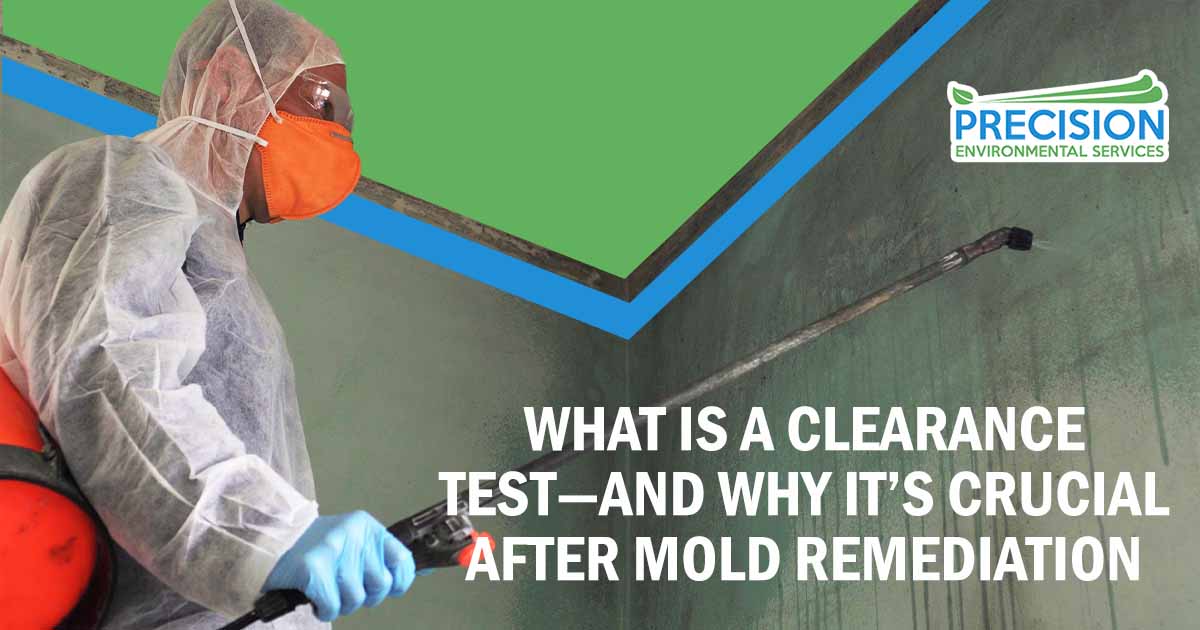
What is a Clearance Test—and Why It’s Crucial After Mold Remediation
After completing mold remediation, one of the most important final steps is mold clearance testing. This process confirms whether the remediation was successful and whether the property is safe for occupancy. Homeowners and businesses in Texas that recently addressed...
