


Renters and landlords often underestimate the impact of poor indoor air quality and mold in rental homes until health issues arise or property damage becomes significant. Mold growth in rental properties can result from leaks, high humidity, or inadequate ventilation. Exposure to mold and other indoor pollutants can cause respiratory problems, allergic reactions, and long-term health concerns. Understanding the risks, responsibilities, and testing options is essential for maintaining safe living conditions and protecting both tenants and property owners.
Understanding the Risks of Mold in Rental Homes
How Mold Develops in Residential Properties
Mold in rental homes typically develops in areas with excess moisture. Common sources include plumbing leaks, roof damage, condensation, and poorly ventilated bathrooms or kitchens. Basements and crawl spaces in older properties are also prone to mold growth. Mold spores are microscopic and can spread quickly through air currents, making early detection critical.
Health Impacts of Mold Exposure
Exposure to mold and poor indoor air quality can trigger a range of health issues. Tenants may experience coughing, sneezing, wheezing, or irritation of the eyes, nose, and throat. People with asthma or allergies may face more severe reactions. Long-term exposure can contribute to chronic respiratory problems and other complications. Recognizing symptoms early and addressing the source of mold is key to protecting occupant health.
Responsibilities of Tenants and Landlords
Tenant Responsibilities
Tenants play a key role in preventing mold in rental homes and maintaining safe indoor air quality. Their responsibilities include:
- Reporting issues promptly: Notify the landlord of water leaks, moisture problems, or visible signs of mold.
- Maintaining proper ventilation: Use exhaust fans, open windows when possible, and ensure airflow in areas prone to humidity.
- Reducing indoor moisture: Avoid habits that increase humidity, such as drying clothes indoors or blocking vents.
- Documenting problems: Keep records or photos of leaks or mold growth to support remediation requests.
By taking these steps, tenants help prevent minor moisture issues from escalating into serious mold problems, protecting both health and property.
Landlord Responsibilities Under Texas Law
Landlords are legally obligated to provide safe and habitable rental properties, which includes addressing mold and maintaining healthy indoor air quality. Key responsibilities include:
- Timely remediation: Repair leaks, water intrusion, or mold growth as soon as they are reported.
- Routine inspections: Conduct regular property checks to detect early signs of moisture or mold.
- Hiring professionals: Engage certified environmental or mold remediation specialists for accurate assessment and removal.
- Maintaining safe living conditions: Ensure ventilation, plumbing, and structural integrity to prevent mold recurrence.
Proper adherence to these responsibilities not only protects tenants from health risks but also safeguards the property’s long-term value and reduces legal liability associated with mold in rental homes.
Signs of Poor Indoor Air Quality in Rental Homes
Visual and Olfactory Indicators
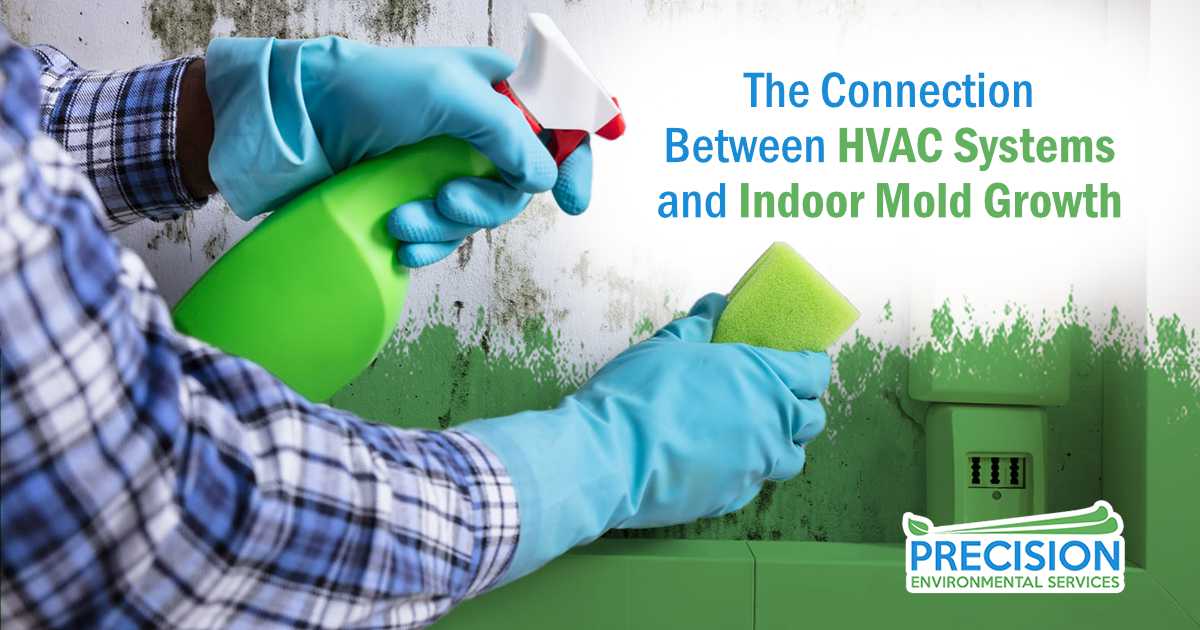
Mold in rental homes often presents with visible signs and distinct odors. Common visual indicators include black, green, or white mold patches on walls, ceilings, or around windows. Water stains, peeling paint, or warped surfaces can also signal moisture problems that may lead to mold growth. Musty or damp odors are a strong indication of poor indoor air quality and potential mold contamination. Early detection of these signs allows for prompt remediation before health issues worsen.
Physical Symptoms Experienced by Occupants
Tenants may experience a range of physical symptoms related to mold exposure and poor indoor air quality. Common issues include coughing, sneezing, nasal congestion, headaches, fatigue, or irritation of the eyes, nose, and throat. Individuals with asthma or allergies may experience more severe reactions, such as difficulty breathing or persistent wheezing. Noticing recurring or unexplained symptoms can help tenants and landlords identify potential mold problems that require professional indoor air quality testing.
Methods for Detecting Mold and Air Quality Issues
Professional Indoor Air Quality (IAQ) Testing
Professional indoor air quality testing is the most reliable way to detect mold in rental homes. Certified specialists use air sampling, surface testing, and moisture measurements to identify mold spores and other airborne pollutants. Testing can also detect volatile organic compounds (VOCs) and other contaminants that affect indoor air quality. Accurate results help landlords understand the extent of contamination and determine the appropriate remediation steps.
DIY vs. Professional Testing
While some tenants may attempt to identify mold with home test kits or visual inspections, these methods have limitations. DIY tests often fail to detect hidden mold, airborne spores, or low-level contamination. Professional testing provides precise data, documentation, and expert recommendations. Hiring certified environmental specialists ensures that mold and air quality issues are properly identified, reducing health risks and legal liability for both tenants and landlords.
Steps to Take if Mold or Poor Air Quality is Found
Immediate Actions for Tenants
If tenants suspect mold in rental homes or experience symptoms of poor indoor air quality, immediate action is essential. They should:
- Avoid prolonged exposure to affected areas whenever possible.
- Notify the landlord or property management in writing, describing visible mold, water damage, or odors.
- Document the condition with photos or videos to support any future requests for remediation or legal matters.
- Prompt action helps prevent health risks and ensures that landlords can respond quickly to the issue.
Remediation and Prevention Strategies for Landlords
Landlords should respond quickly and effectively to reports of mold or poor air quality. Recommended strategies include:
- Hiring professional mold remediation specialists to safely remove contamination.
- Repairing leaks, water intrusion, or ventilation issues that contribute to mold growth.
- Implementing long-term prevention measures, such as dehumidifiers, exhaust fans, and routine inspections.
- Taking these steps protects tenant health, reduces liability, and maintains property value while preventing future mold problems.
Long-Term Benefits of Professional IAQ Testing
Ensuring Tenant Health and Safety
Professional indoor air quality testing helps landlords and tenants identify mold and other pollutants before they cause serious health problems. Regular testing ensures that rental properties meet safety standards and that residents are not exposed to harmful contaminants. By addressing mold and indoor air quality issues proactively, landlords can provide a healthier living environment and reduce the risk of tenant complaints or health-related claims.
Peace of Mind Through Accurate Results
Accurate IAQ testing provides both landlords and tenants with clear documentation of indoor air quality conditions. Knowing the extent of mold contamination or pollutant levels allows for informed decisions regarding remediation and ongoing maintenance. Professional testing also protects property owners from potential liability, supports compliance with local regulations, and provides reassurance to tenants that their home is safe.
Contact Precision Environmental for Expert Mold and IAQ Testing
Renters and landlords who suspect mold in rental homes or want to ensure safe indoor air quality should turn to certified professionals. Precision Environmental offers comprehensive indoor air quality testing, accurate mold detection, and expert recommendations for remediation. Protect tenant health, maintain property value, and comply with safety standards by scheduling professional IAQ testing today at 940-597-2673.