

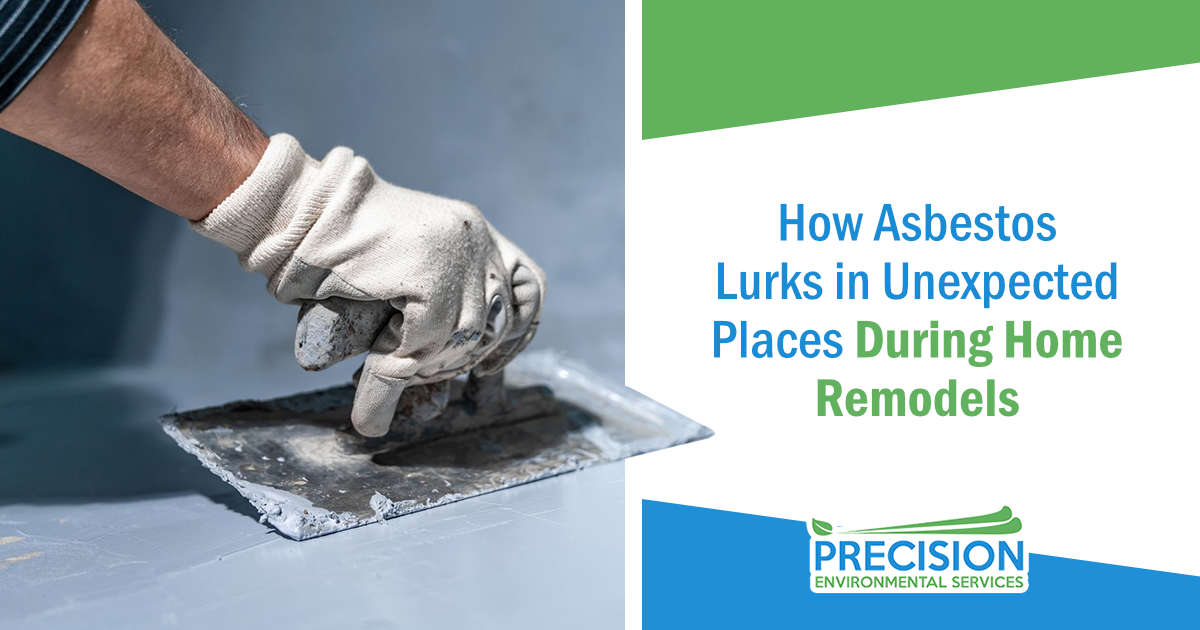
Many Texas homes built before the 1980s still contain asbestos in materials that are easy to overlook. Homeowners, house flippers, and contractors often encounter asbestos in flooring, ceilings, insulation, and drywall during renovations. Disturbing these materials without proper testing can release asbestos fibers into the air, posing serious health risks. Professional asbestos inspection and testing are essential before beginning any remodeling work to ensure safety and compliance with regulations.
Understanding the Risks of Asbestos in Home Remodels
Why Asbestos Still Exists in Older Texas Homes
Asbestos was widely used in construction materials throughout the mid-20th century due to its heat resistance, durability, and insulating properties. Homes built before the 1980s may still contain asbestos in products such as vinyl floor tiles, popcorn ceilings, drywall joint compounds, insulation, and roofing materials. While many of these materials are safe if left intact, renovations can disturb them, releasing harmful fibers into the air.
The Danger of Disturbing Asbestos During Renovations
When asbestos-containing materials are cut, sanded, or removed, microscopic fibers can become airborne. Inhaling these fibers can cause serious long-term health problems, including asbestosis, lung cancer, and mesothelioma. Even small amounts of exposure may be dangerous, making it critical to involve licensed asbestos professionals before beginning any remodeling project. Professional testing not only identifies asbestos in home remodels but also provides guidance on safe handling and removal.
Common Areas Where Asbestos Hides During Remodels
Flooring Materials
Asbestos was commonly used in vinyl floor tiles, linoleum backing, and adhesives. During renovations, removing or sanding old floors can release asbestos fibers into the air. Homeowners and contractors often overlook the risk in older flooring, assuming it is safe. Professional testing is the only reliable way to confirm whether asbestos is present before any demolition or sanding work begins.
Ceiling Textures and Popcorn Ceilings
Popcorn ceilings and spray-applied textures frequently contain asbestos, especially in homes built before the 1980s. Scraping or sanding these surfaces without proper precautions can release dangerous fibers. Even small renovations, such as patching ceiling areas or installing light fixtures, may disturb asbestos-containing materials if testing has not been conducted.
Drywall, Joint Compounds, and Plaster
Older drywall mud and plaster may contain asbestos, particularly in joint compounds used to seal seams or repair walls. Disturbing these materials during remodeling—through sanding, cutting, or demolition—can pose serious health risks. Professional asbestos inspection helps identify contaminated areas and ensures safe handling throughout the renovation process.
Insulation and HVAC Components
Asbestos was widely used in insulation for pipes, boilers, and ductwork. It can also be found in some HVAC components. Fiberglass insulation is often mistaken for asbestos, which underscores the importance of professional testing. Licensed inspectors can accurately identify asbestos in these materials and recommend safe removal or encapsulation.
Roofing and Siding Materials
In older homes, asbestos may be present in roofing shingles, cement siding, and roof felt. Renovations or repairs involving these materials, such as replacing shingles or siding, can release fibers if proper precautions are not taken. A thorough inspection before work begins ensures that asbestos is properly managed, protecting both workers and residents.
Signs Asbestos Might Be Present
Age of the Home and Renovation Type
Homes built before 1980 are at the highest risk of containing asbestos in building materials. Renovations in these older properties, such as floor replacement, ceiling updates, or wall repairs, are more likely to disturb asbestos-containing materials. Understanding both the age of the home and the type of renovation planned is a critical first step in identifying potential asbestos hazards. Early awareness helps homeowners and contractors take proper precautions before beginning any work.
Visual Clues and Cautionary Indicators
While visual inspection alone cannot confirm the presence of asbestos, certain warning signs can indicate a higher risk. Materials that may contain asbestos often share common characteristics, including:
- Discolored or brittle floor tiles – vinyl tiles and adhesives may degrade over time.
- Textured or popcorn ceilings – spray-applied ceiling finishes in older homes frequently contain asbestos.
- Older drywall joint compounds – seams, patching, and plaster mixtures may contain asbestos fibers.
- Crumbling or fibrous materials – any material that appears aged, damaged, or fibrous should be treated as potentially hazardous.
Even if these signs are present, only professional asbestos testing can confirm contamination. Always consult licensed inspectors before disturbing any suspect materials to ensure safety during home remodels.
Professional Asbestos Testing and Remediation
Why DIY Testing is Dangerous
Attempting to test or remove asbestos without proper training and equipment is extremely risky. Disturbing asbestos-containing materials can release microscopic fibers into the air, which can be inhaled and lead to serious long-term health issues such as asbestosis, lung cancer, or mesothelioma. Additionally, Texas law restricts asbestos removal to licensed professionals, making DIY approaches both unsafe and illegal.
Key risks of DIY asbestos testing and removal include:
- Airborne asbestos fibers can be inhaled and cause health problems.
- Improper handling can spread contamination to other areas of the home.
- Legal violations due to Texas regulations requiring licensed asbestos professionals.
Licensed Asbestos Inspection Process
Professional asbestos inspectors follow strict protocols to accurately identify hazardous materials in homes. The inspection process typically includes:
- Material sampling – collecting suspected asbestos-containing materials safely.
- Laboratory analysis – sending samples to certified labs for precise asbestos testing.
- Detailed reporting – providing results that identify the type, location, and extent of asbestos present.
- Recommendations for handling – guidance on safe removal, containment, or remediation.
This process ensures that homeowners, contractors, and workers know exactly where asbestos is located and how to manage it safely.
Safe Removal and Abatement Practices
When asbestos is confirmed, licensed contractors use specialized methods to safely remove or contain it. These practices are designed to prevent fiber release and ensure compliance with regulations. Common approaches include:
- Encapsulation – sealing asbestos-containing materials to prevent fibers from becoming airborne.
- Full removal – safely eliminating asbestos from the property using certified techniques.
- Proper disposal – adhering to federal and Texas regulations for transporting and disposing of asbestos waste.
By hiring licensed professionals, homeowners and contractors can complete renovations safely while protecting the health of residents, workers, and neighbors.
Preventing Asbestos Exposure During Home Renovations
Planning Renovations with Safety in Mind
Before beginning any remodeling project, scheduling professional asbestos testing is essential. Testing ensures that hidden asbestos in home remodels is identified before demolition, sanding, or cutting. Using containment barriers, wearing proper protective gear, and following professional guidance during renovations can prevent dangerous asbestos fiber release.
Educating Homeowners and Contractors
Awareness of potential asbestos hazards is critical for both homeowners and contractors. Sharing inspection results with all parties involved in the renovation ensures that everyone understands the risks and follows proper safety measures. Proper education reduces the likelihood of accidental exposure and helps maintain compliance with Texas regulations.
Schedule Professional Asbestos Testing Before Your Renovation
Homeowners, house flippers, and contractors should contact Precision Environmental Services to schedule professional asbestos inspection and testing before starting any remodeling work. Early testing protects residents, workers, and property while ensuring renovations proceed safely. For more information or to book an inspection at 940-597-2673 now!