

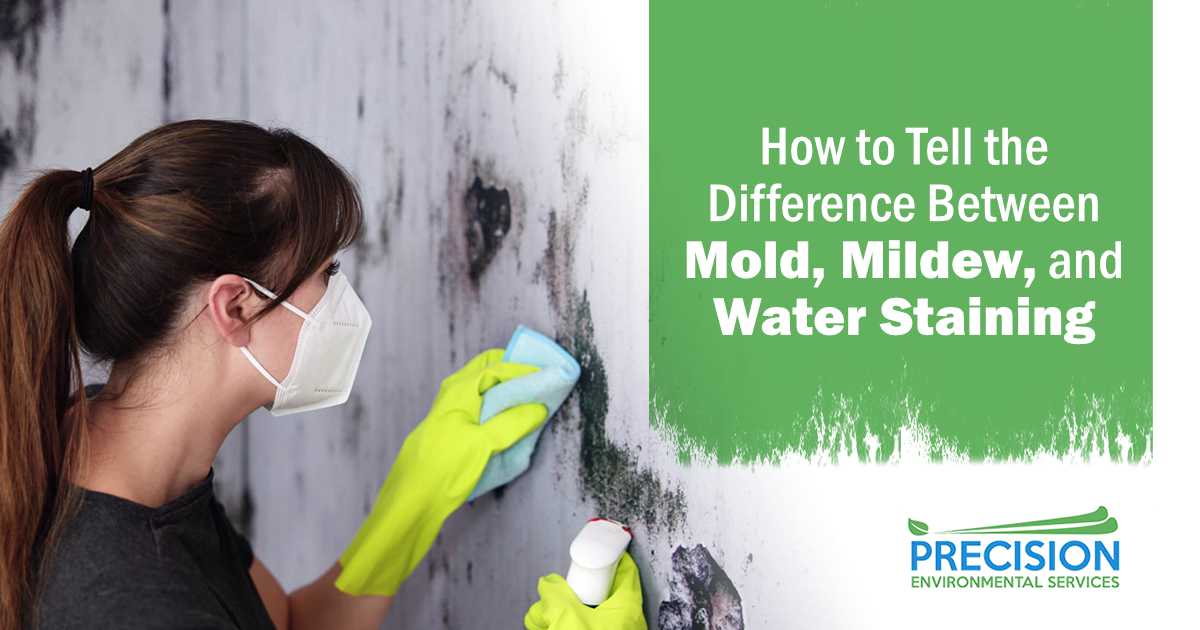
Not all discoloration indoors represents a serious problem, but identifying the cause correctly is critical for maintaining a safe living or working environment. Many homeowners, renters, and property managers struggle to distinguish between mold, mildew, and water stains, and misidentification can delay proper treatment. While each type of discoloration is associated with moisture, the sources, growth behavior, and associated risks differ. This guide explains how to separate harmless staining from conditions that may require professional mold testing. It also emphasizes why guessing can place occupants at risk, especially if mold is developing behind walls or within building materials.
Understanding Mold vs Mildew vs Water Stains
What Makes Mold Unique Compared to Mildew and Water Staining
Mold is a fungal growth that forms when moisture meets organic materials like drywall, wood, or fabric, often appearing black, green, or brown with a musty odor and irregular spreading patterns. Because it penetrates surfaces instead of remaining on top, it can be mistaken for simple dirt or stains in the early stages, allowing colonies to grow quickly in humid environments. When discoloration is unclear—especially in homes with leaks or past flooding—professional testing is often needed since surface cleaning cannot remove mold embedded in porous materials.
How Mildew Develops and Why It Is Often Confused With Mold
Mildew is a less aggressive fungal growth that forms on smooth, nonporous surfaces like tiles, shower curtains, and sealed countertops, appearing as a thin, powdery layer in white, gray, or light brown. Unlike mold, it spreads in uniform surface patches without penetrating materials or producing strong odors, making it much easier to wipe away. Although easier to manage, mildew still signals high humidity or poor ventilation and should be addressed promptly to prevent bigger moisture issues.
How Water Stains Form and Why They Matter
Water stains result from moisture intrusion rather than biological growth, forming when water evaporates and leaves behind tan, yellow, or brown discoloration—often with ring-like patterns—on ceilings, walls, or floors. These stains are flat, lack texture, and typically indicate underlying issues such as leaking pipes, roof damage, condensation, or poor insulation. Although not harmful on their own, water stains should be evaluated quickly because persistent moisture can lead to mold growth beneath the affected area.
Visual Differences: Identifying Mold vs Mildew vs Water Stains by Appearance
Color Indicators That Help Differentiate the Three
Color is a key way to distinguish between mold, mildew, and water stains, with mold appearing dark green, black, or deep brown, mildew showing white, gray, or light brown, and water stains presenting as yellow, tan, or brown patches often with soft edges or rings. Changes in color over time, such as dark spots developing on a water stain, can indicate mold growth, while mildew generally remains consistent unless moisture increases. By comparing the color and consistency of the affected area, homeowners can more accurately identify the issue and avoid misdiagnosis.
Texture Differences and Why They Matter
Texture provides another key clue for identifying indoor discoloration, with mold often raised or fuzzy and sometimes soft or slimy, mildew remaining flat and powdery, and water stains flat with no texture unless underlying moisture is present. Directly touching suspicious areas is unsafe, so visual inspection and professional testing are recommended. Observing texture helps property owners distinguish between mold, mildew, and simple stains, preventing ineffective cleaning or improper remediation.
Growth Patterns and How They Reveal Underlying Moisture Issues
Growth patterns help differentiate mold, mildew, and water stains, with mold spreading in irregular, expanding patches, mildew forming smooth, thin layers confined to surfaces, and water stains following gravity, creating circular marks or streaks. Observing these patterns can reveal ongoing moisture problems, such as expanding growth indicating hidden mold-supporting moisture or changing stains suggesting active leaks. Careful assessment of growth patterns allows property owners to determine whether simple cleaning suffices or professional intervention is necessary.
Smell and Environmental Clues That Separate Mold, Mildew, and Water Staining
Odor Differences and What They Indicate
Odor is a key indicator for distinguishing mold, mildew, and water stains, with mold producing a strong musty smell from microbial compounds, mildew emitting a lighter, less invasive odor, and water stains typically odorless unless moisture or hidden mold is present. A persistent or spreading musty smell can signal hidden mold behind walls, under floors, or inside HVAC systems. When odors intensify, especially in enclosed or humid spaces, professional inspection is recommended to confirm active mold growth.
Environmental Conditions That Promote Each Problem
Environmental conditions strongly influence the appearance of mold, mildew, and water stains, with mold thriving on porous materials in damp, persistent moisture, mildew growing on smooth surfaces in warm, humid areas, and water stains forming from leaks or condensation without biological growth. Recognizing these differences helps property owners prevent recurring problems, such as mildew from poor bathroom ventilation or mold and water stains from attic leaks. Monitoring humidity and promptly addressing moisture sources are essential for reducing the risk of contamination.
Where Each Type of Discoloration Commonly Occurs
Location provides important clues for identifying indoor moisture issues, with mold appearing where moisture meets organic material, such as basements, attics, behind walls, under cabinets, or in HVAC systems, mildew common in bathrooms, kitchens, and laundry rooms, and water stains near rooflines, plumbing fixtures, and ceiling joints. Knowing where discoloration occurs helps pinpoint the cause and guide corrective action, such as plumbing issues under bathrooms or poor air circulation behind furniture. Each affected area offers insight for accurate identification and appropriate remediation.
When to Seek Professional Mold Testing and Assessment
Signs That a Professional Evaluation Is Necessary
Identifying mold, mildew, or water stains can be difficult without professional assessment, especially when discoloration spreads, reappears after cleaning, or persistent musty odors suggest hidden growth. Professional evaluation is crucial if occupants experience allergy-like symptoms, the source of moisture is unclear, or after water intrusion events like flooding, roof leaks, or plumbing failures. Inspectors use specialized tools such as moisture meters, borescopes, and air sampling devices to detect hidden mold and prevent minor issues from becoming widespread contamination.
Why Misidentifying the Problem Can Be Costly
Misidentifying mold, mildew, or water stains can lead to incomplete cleaning, ongoing mold growth, and long-term structural damage, increasing remediation costs. Treating the wrong problem or ignoring underlying moisture allows issues to expand, potentially requiring large-scale removal or reconstruction. Early and accurate identification protects indoor air quality and is more efficient and cost-effective for homeowners, renters, and property managers.
Benefits of Professional Mold Testing Services
Professional mold testing delivers reliable results that help property owners determine whether discoloration is mold, mildew, or simply water staining and identify the specific type of mold present, guiding effective remediation. Testing methods like air sampling, surface sampling, and moisture mapping can detect hidden contamination that isn’t visible to the naked eye. Additionally, comprehensive documentation supports insurance claims, verifies completed remediation, and helps contractors address both visible and hidden mold issues, ensuring informed decision-making for property owners.
Preventing Mold, Mildew, and Water Staining in the Future
Improving Indoor Moisture Control
Moisture control is the most effective way to prevent mold, mildew, and water stains, with strategies like keeping indoor humidity below 50 percent and improving ventilation through exhaust fans in bathrooms and kitchens. Regular inspections of plumbing, windows, and roofing, along with using dehumidifiers and proper insulation, help reduce moisture accumulation. By addressing moisture proactively, property owners can significantly lower the risk of fungal growth and related damage.
Routine Cleaning and Maintenance Best Practices
Routine cleaning and maintenance reduce the likelihood of mildew buildup and make early signs of moisture damage easier to detect, especially in high-moisture areas like bathrooms, kitchens, and laundry rooms. Regularly drying surfaces, cleaning tiles and grout, and inspecting ceilings, walls, and floors for discoloration help identify minor issues before they worsen. Incorporating these practices into seasonal maintenance routines allows property owners and managers to prevent extensive damage and limit conditions favorable to mildew growth.
Monitoring High-Risk Areas for Early Warning Signs
Certain areas of a property, such as basements, crawl spaces, attics, and HVAC systems, are more prone to moisture problems, with water stains often appearing near plumbing or rooflines. Regular monitoring of these spaces helps property owners identify moisture before it leads to mold growth. Using tools like moisture meters and hygrometers alongside visual inspections allows early detection and reduces the long-term impact of moisture exposure.
How Professionals Evaluate Mold vs Mildew vs Water Stains During an Inspection
Tools and Techniques Used in Professional Mold Identification
Professional mold inspectors use specialized tools to accurately differentiate mold, mildew, and water stains, including moisture meters to detect hidden dampness, infrared cameras to spot temperature variations indicating moisture, and surface and air sampling to identify specific mold species. Borescopes allow inspection inside walls without demolition, while air quality testing reveals hidden mold spores in the indoor environment. These advanced tools provide critical data beyond visual inspection, ensuring issues are correctly identified and properly addressed.
Steps Taken During a Professional Mold Assessment
A professional mold assessment starts with a visual inspection of affected areas, examining discoloration, odors, and growth patterns, followed by moisture detection to identify active water intrusion. Inspectors may collect surface or air samples to determine mold types and contamination levels, documenting findings in a detailed report with recommended next steps. The evaluation also considers environmental factors like ventilation, humidity, and building materials to guide property owners in resolving the issue and preventing future problems.
Why Professional Identification Is More Reliable Than DIY Methods
Do-it-yourself identification of indoor discoloration often leads to mistakes, as homeowners may confuse mold with dirt, mildew, or water stains, and DIY test kits typically lack the sensitivity to provide accurate results or determine mold species and contamination levels. Professional assessments offer far more reliable outcomes, using industry-standard tools and expert interpretation to accurately identify mold, mildew, or water stains. Correct identification ensures effective remediation, targeting the true source of the problem and reducing unnecessary costs.
Schedule Professional Mold Testing with Precision Environmental Services
Property owners should not rely on guesswork when identifying mold vs mildew vs water stains. Precision Environmental Services provides mold testing, moisture assessments, and full inspection services. To protect indoor air quality and prevent damage, contact the team today at 📞 817-286-4730 or submit a request through their 📩 Online Contact Form for fast assistance.