

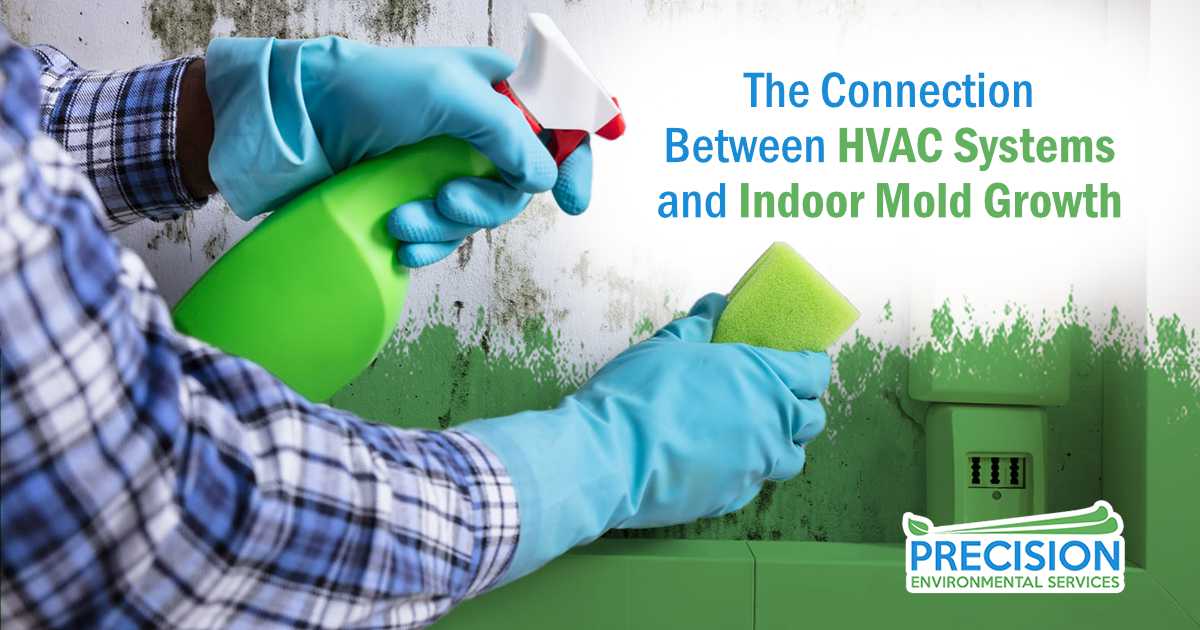
HVAC systems are essential for maintaining indoor comfort, regulating temperature, and supporting air quality in homes and commercial properties. However, they can also become hidden sources of mold growth when moisture, poor ventilation, or accumulated debris are present. Mold growth in HVAC systems not only damages equipment but can also spread spores throughout a property, affecting indoor air quality and potentially causing health issues. Homeowners, landlords, and property managers should understand how HVAC systems contribute to mold development and take proactive steps to prevent contamination.
How HVAC Systems Influence Indoor Mold Growth
The Role of Condensation and Moisture in HVAC Units
HVAC systems naturally produce moisture during operation, especially when cooling. This moisture, if not properly managed, can create ideal conditions for mold growth within the system and throughout the property. Key areas where condensation and moisture accumulate include:
- Cooling Coils – Moisture forms on coils as warm air passes over cold surfaces, creating damp conditions that promote mold growth.
- Drip Pans – Drip pans can collect standing water if drainage is blocked or slow, allowing mold spores to thrive.
- Ductwork – Moisture buildup in ducts can go unnoticed, providing a hidden environment for mold development.
Seasonal transitions, particularly in humid climates like Texas, often increase condensation levels and the associated risk of HVAC mold growth. Regular maintenance, including inspecting coils, drip pans, and ductwork, along with monitoring moisture accumulation, is essential to prevent mold contamination and maintain healthy indoor air quality.
Dirty Ductwork as a Mold Breeding Ground
Dust, dirt, and organic debris can accumulate inside ductwork over time. These particles provide nutrients for mold and allow spores to spread through the ventilation system. Once mold establishes in the ducts, it can circulate throughout the home whenever the HVAC system is running. Regular cleaning of ducts, filters, and vents is essential to reduce the risk of mold contamination and maintain healthy indoor air quality.
Poor Ventilation and Its Impact on Mold Growth
Insufficient ventilation in HVAC systems contributes to high humidity and stagnant airflow, conditions that encourage mold development. Areas with limited air circulation, such as attics, basements, or enclosed rooms, are particularly vulnerable. Ensuring balanced airflow and adequate ventilation throughout the property helps minimize mold growth and supports overall HVAC efficiency.
Common Signs of HVAC-Related Mold Issues
Detecting mold growth in HVAC systems early is essential to protect indoor air quality and prevent extensive contamination. HVAC mold growth can often be identified through specific signs that homeowners, landlords, and property managers should watch for.
1. Musty Odors and Unusual Smells
A persistent musty or moldy odor when the HVAC system turns on is often the first indicator of mold growth. These odors typically originate from:
- Cooling coils that retain moisture
- Drip pans with standing water.
- Ductwork contaminated with dust and mold spores
Consistent smells associated with system operation often indicate hidden mold that may not be visible, emphasizing the need for inspection and possible testing.
2. Visible Mold and Water Stains
In some cases, mold becomes visible around vents, registers, or access panels, particularly when HVAC contamination is significant. Additional warning signs include:
- Water stains or discoloration on ceilings and walls near duct openings
- Patches of black or green mold in and around HVAC components
Early recognition of visible mold prevents widespread contamination and helps maintain safe indoor air quality.
3. Health Symptoms Linked to Mold Exposure
HVAC mold growth can affect building occupants by circulating mold spores throughout the property. Common symptoms associated with mold exposure include:
- Coughing, sneezing, or nasal congestion
- Irritation of the eyes, throat, or skin
- Exacerbation of allergies or asthma
Individuals with weakened immune systems may experience more severe reactions. Observing these symptoms in combination with musty odors or visible mold is a critical step in identifying and addressing HVAC-related mold growth.
Preventing HVAC Mold Growth
Regular HVAC Inspections and Cleaning
Routine inspections and professional cleaning are essential to prevent mold growth in HVAC systems. Licensed technicians can identify moisture accumulation, clogged drip pans, or dirty coils before they become breeding grounds for mold. Regular maintenance, including filter replacement and duct cleaning, reduces the risk of HVAC mold growth and supports consistent indoor air quality.
Controlling Indoor Humidity and Moisture
Maintaining proper indoor humidity levels is a key preventive measure. Mold thrives in environments where humidity exceeds 50%, so using dehumidifiers, exhaust fans, and proper ventilation can help limit moisture buildup. Property managers and homeowners should monitor humidity throughout the year, especially during seasonal transitions or in regions with high humidity.
Upgrading HVAC Systems and Components
Upgrading and maintaining HVAC systems is a key strategy to reduce the risk of mold growth and improve indoor air quality. Modern HVAC units with high-efficiency components help prevent moisture buildup and limit the spread of mold spores throughout a property. Homeowners, landlords, and property managers should focus on the following:
- High-Efficiency Air Filters – Use filters designed to capture mold spores, dust, and other airborne particles to maintain cleaner airflow.
- Clean Drip Pans and Condensate Lines – Regularly inspect and clear drip pans and condensate lines to prevent standing water, which creates a breeding ground for mold.
- Regular Coil Maintenance – Service cooling coils frequently to remove moisture, dirt, and debris that can support mold growth.
- System Upgrades – Consider upgrading older HVAC units or components to more efficient models that manage humidity better and improve overall airflow.
By proactively upgrading and maintaining HVAC systems, property owners can significantly reduce HVAC mold growth, enhance indoor air quality, and ensure a healthier environment for occupants.
Professional Mold Inspection and Testing Services
Benefits of Hiring Licensed Mold Inspectors
mold inspection and remediation services offer reliable and accurate detection of HVAC mold growth. They use specialized tools and testing methods to locate mold in areas that are often hidden, including:
- Ductwork and air vents – mold spores can accumulate in hard-to-reach sections.
- Cooling coils and drip pans – common areas where moisture collects and mold thrives.
- Filters and registers – inspection ensures contaminants are not circulating throughout the property.
Hiring licensed inspectors ensures a thorough assessment, protects indoor air quality, and reduces the risk of ongoing HVAC mold growth. Professional testing also provides documentation that may be required for insurance or property management purposes.
How Mold Remediation Works in HVAC Systems
Once mold is identified, professional remediation follows strict safety protocols to prevent further contamination and health risks. Key steps include:
- Cleaning or replacing contaminated ductwork to stop mold from spreading.
- Sanitizing cooling coils, drip pans, and other system components with antimicrobial treatments.
- Addressing underlying moisture problems to prevent regrowth, such as repairing leaks or improving drainage.
- Post-remediation testing to confirm that mold levels are safe and the HVAC system is clean.
Professional remediation ensures the HVAC system is restored to safe operating conditions and reduces the risk of future mold growth.
Regional Considerations: Humid Climates Like Texas
High humidity and seasonal transitions, common in Texas, create ideal conditions for HVAC mold growth. Moisture from humid air can accumulate in ducts, cooling units, and drip pans, increasing the likelihood of contamination. Homeowners, landlords, and property managers in these regions should:
- Schedule regular HVAC inspections to detect early signs of mold.
- Conduct air quality testing during seasonal changes or periods of high humidity.
- Maintain preventive measures such as dehumidifiers, proper ventilation, and routine cleaning.
Proactive management in humid climates ensures a safe indoor environment and reduces health risks associated with HVAC mold growth.
Schedule a Professional Mold Inspection Today
Protect your property and ensure clean indoor air by scheduling professional mold inspection and remediation services with Precision Environmental Services at 214-888-6956. Licensed technicians can identify hidden mold, address HVAC contamination, and implement solutions to prevent future growth.